How Collagen and Elastin Sculpt Youthful Skin
The Importance of Collagen and Elastin for Youthful Skin
Collagen and elastin: the pillars of firm, radiant skin. These two structural proteins play a fundamental role in youthful skin, conditioning its smooth, plump appearance and its resistance to signs of aging.
- Collagen makes up nearly 80% of the dermal matrix: it acts as a framework, giving skin its strength, density, and ability to resist sagging.
- Elastin, on the other hand, is responsible for skin elasticity. It allows the skin to stretch and then return to its original shape, thus preserving its suppleness and bounce.
When these essential fibers decline, wrinkles, loss of firmness, and sagging appear. Taking care of collagen and elastin, therefore, means investing directly in the long-term youthfulness of the skin.
The Essential Role of Type I Collagen in Skin Firmness
Type I collagen constitutes nearly 80% of the dermal matrix. This fibrous protein acts as a true framework, giving the skin its mechanical resistance and firmness. The dermal matrix is essentially a dense network where collagen fibers intertwine, ensuring stability and cohesion of the different layers of the dermis.
Collagen production relies on the activity of fibroblasts. These specialized cells synthesize collagen in the form of fibers organized into a triple helix, a structure that guarantees both strength and flexibility. This complex process allows Type I collagen to effectively support the skin against daily pressures, thereby limiting the appearance of deep wrinkles or sagging skin.
Key takeaway: without continuous production by fibroblasts, the density of Type I collagen rapidly decreases, exposing the skin to a visible loss of firmness.
Elastin, Guarantee of Skin Elasticity and Bounce
.png?token=eyJraWQiOiJzdG9yYWdlLXVybC1zaWduaW5nLWtleV8yNzIwYzE2OC0wMDRlLTQzZDItYjk3Yi03ZWQzMDE4NzU5NzciLCJhbGciOiJIUzI1NiJ9.eyJ1cmwiOiJ1c2VyLWdlbmVyYXRlZC1pbWFnZXMvYTFjMTA4NGYtYmY4NS00M2JhLWJlZmEtZWZiMDQ5MTczOWU1L0FydGljbGUgYmxvZyAgKDgpLnBuZyIsImlhdCI6MTc1NzM2MDUzNiwiZXhwIjoyMDcyNzIwNTM2fQ.nBfFzUX9TwoVQXR7zRC_YWsFPZWiE_Yw0FXcFb0aFgQ)
Elastin plays a central role in the skin's ability to stretch and then instantly return to its original shape. This protein acts like a microscopic spring: the elastic fibers it comprises allow the skin to resist repeated deformations without permanent sagging.
- Skin elasticity: thanks to elastin, the skin maintains its suppleness and bounce, essential for preserving smooth features and preventing the premature appearance of pronounced folds.
- Elastic fibers: together with collagen, they form a dense mesh that protects the skin's structure against visible signs of aging.
The abundant presence of elastin in young dermis explains why young skin appears taut, toned, and full of vitality. When these fibers become scarce or deteriorate, the skin tissue loses its recovery capacity: deep wrinkles and sagging then appear more quickly.
Understanding the Natural Decline of Collagen and Elastin with Age

Skin aging is largely due to the gradual decrease in the production of collagen and elastin, the true pillars of firm skin. From around 25 years of age, collagen synthesis decreases by approximately 1% per year. This gradual loss weakens the structure of the dermis, making the skin less supple and more prone to wrinkle formation.
As for elastin, the observation is even more marked: its production becomes almost zero in advanced adulthood. Deprived of this "biological spring," the skin loses elasticity and struggles to regain its shape after facial movements or external stresses.
- Collagen and elastin: the pillars of firm skin see their role diminish over time.
- The first visible signs include skin sagging, loss of density, and the progressive formation of deep furrows.
This natural process sets in slowly but irreversibly, impacting each skin layer and permanently altering the overall appearance of the face.
Accelerating Factors of Skin Aging: UV Photodamage, Pollution, and More
External aggressions accelerate skin aging far beyond the simple effect of time. Two major enemies stand out: UV photodamage and pollution.
1. UV Photodamage
Repeated exposure to ultraviolet (UVA and UVB) rays causes direct degradation of collagen and elastin. The fibers are fragmented by the action of free radicals generated by the sun, leading to wrinkles, sagging, and visible loss of elasticity. Even without apparent sunburn, each exposure accumulates invisible but deep damage in the dermis.
2. Air Pollution
Fine particles, exhaust gases, and heavy metals present in urban air penetrate the skin and induce chronic oxidative stress. This phenomenon weakens collagen and elastin fibers, increases local inflammation, accelerates the appearance of pigment spots, and alters the skin's regenerative capacity.
Being aware of these factors allows you to adapt your routine to limit their impact on the youthfulness of your skin.
Acting to Preserve Your Skin's Youth: Natural Actives, Nutrients, and Optimal Skincare Routine

To guarantee your skin's vitality, certain ingredients and actions become essential:
- Vitamin C: essential for collagen formation by fibroblasts, it stimulates their activity and protects existing fibers against oxidation. Vitamin C serums offer radiance, antioxidant protection, and visible structural support.
- Retinol: this vitamin A derivative promotes the production of collagen and elastin, refines skin texture, and reduces deep wrinkles. However, it can cause irritation on sensitive skin; it should therefore be used gradually and under supervision.
- Daily sun protection: applying a broad-spectrum sunscreen remains essential to limit the degradation of collagen and elastin by UV rays.
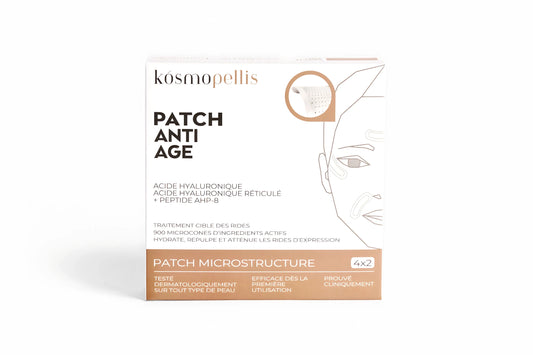
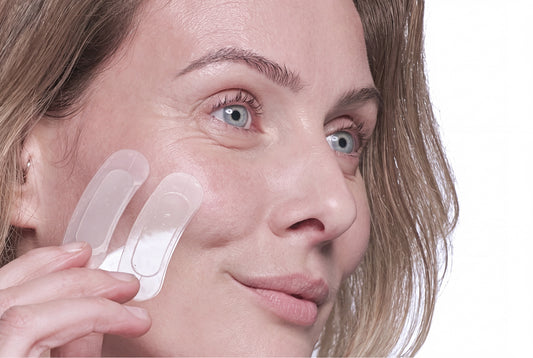
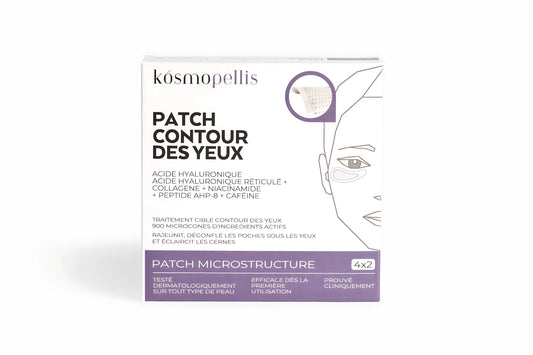
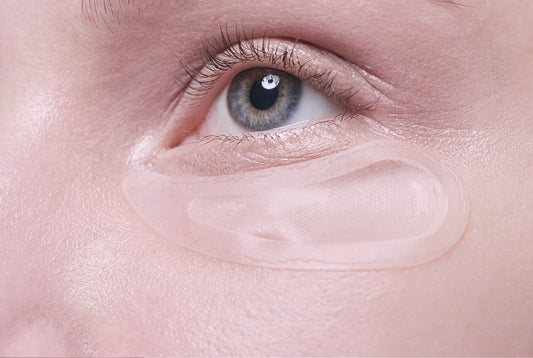
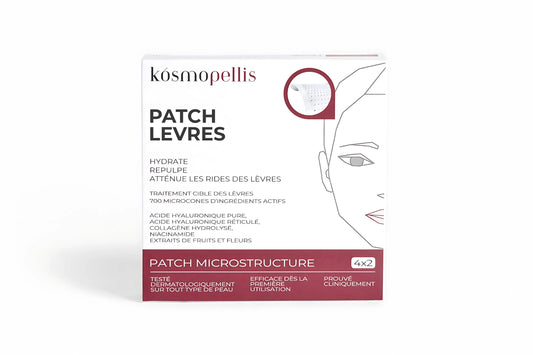
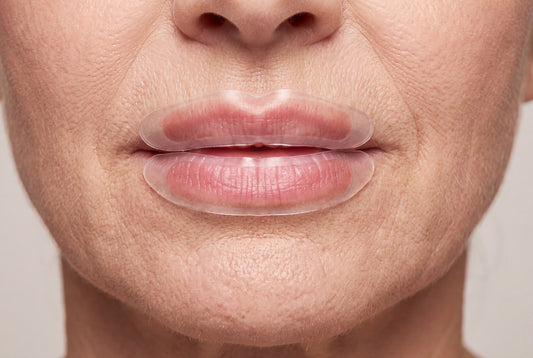
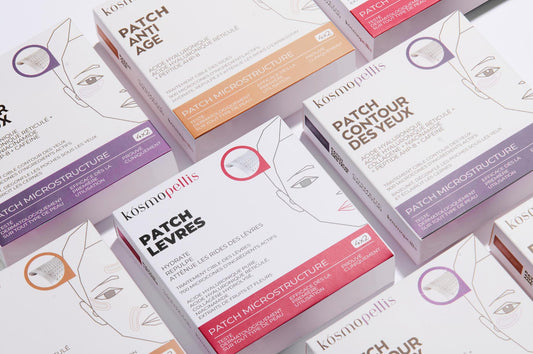
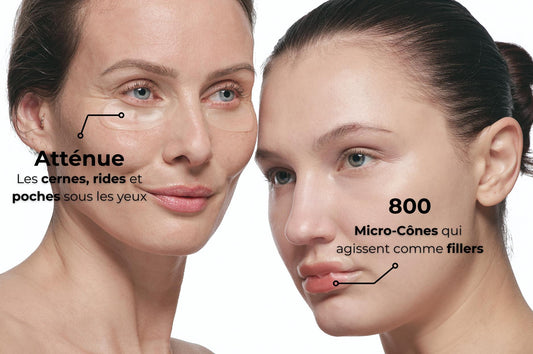
- Microstructure Patches: a dermocosmetic innovation, they allow for targeted and deep diffusion of powerful active ingredients such as hyaluronic acid or peptides, directly into the heart of the skin. Their localized action helps to fill fine lines, plump fragile areas (eye contour, lips) and strengthen the overall effectiveness of an anti-aging routine.
Anti-aging topical treatments combining these active ingredients offer a true shield against premature aging. By combining adapted nutrition, expert techniques, and targeted products, you maximize your skin's natural regenerative potential.
Balanced Diet for Firm and Elastic Skin

Diet plays a key role in preserving skin firmness and elasticity. A protein-rich diet provides essential amino acids for the synthesis of collagen and elastin, the true pillars of firm skin. Animal proteins (fish, eggs, poultry) and vegetable proteins (legumes, quinoa, soy) support the regeneration of skin fibers.
For lasting youth, it is also essential to include:
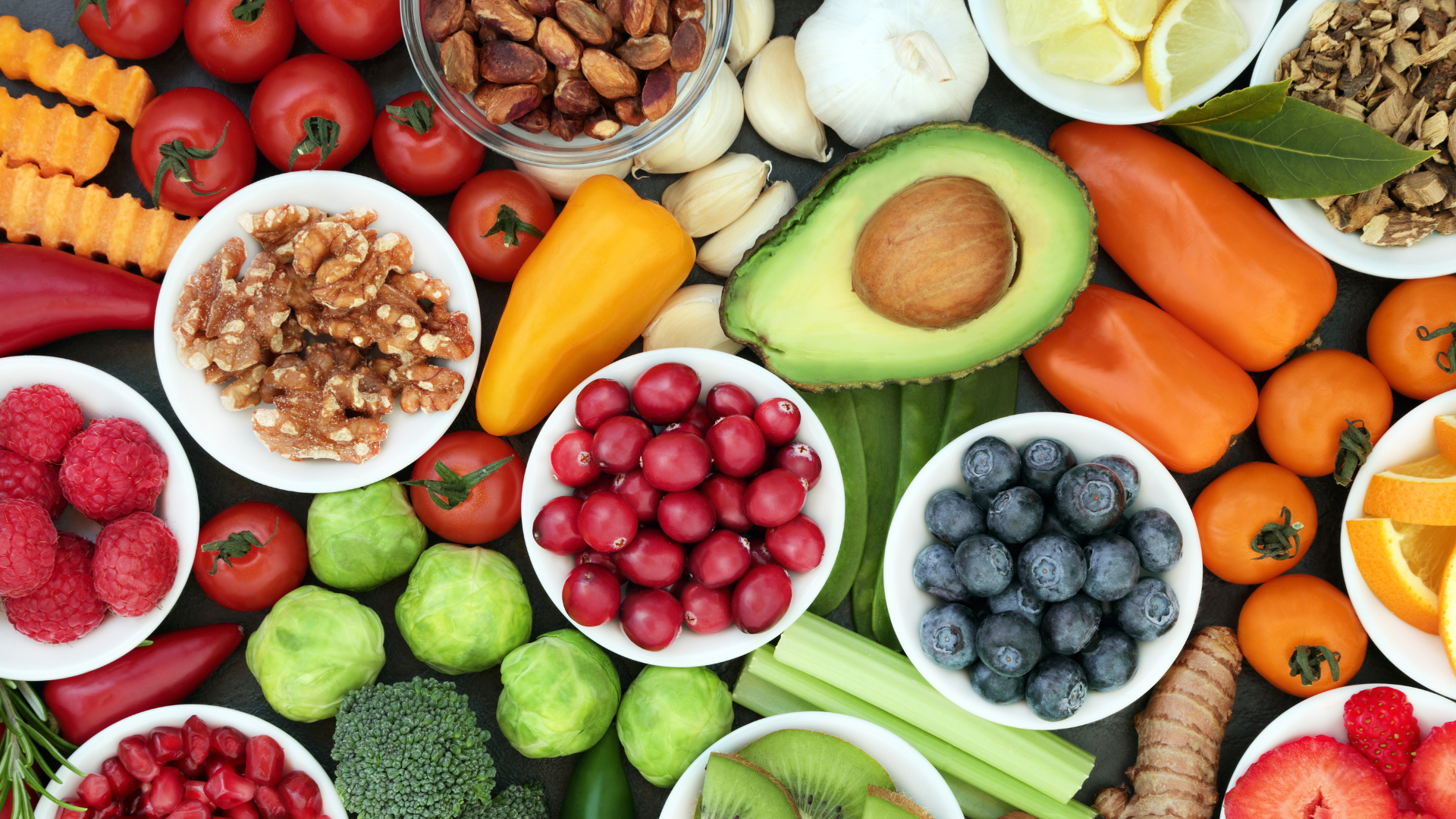
- Vitamin C: found in citrus fruits, bell peppers, and red berries, it optimizes collagen production.
- Minerals: zinc and copper participate in the stabilization of protein fibers.
- Antioxidants: present in green vegetables, green tea, or nuts, they protect the skin from oxidative stress that accelerates aging.
A varied diet coupled with sufficient hydration strengthens the skin barrier and limits loss of tone. Certain food supplements – hydrolyzed marine collagen combined with elastin extracts – can supplement nutritional intake if necessary.
Collagen and elastin: the pillars of firm skin depend on what you put on your plate every day.
Holistic Approach to Preserving Your Skin's Youth
Combining daily sun protection, skincare tailored to your skin type, a diet rich in proteins and antioxidants, and targeted supplements when necessary maximizes your chances of preserving firm, elastic, and visibly younger-looking skin. Adopting this holistic routine not only helps limit skin sagging but also maintains the natural radiance of the face over the long term.