Transdermal cosmetics: the key to effective active ingredient penetration
Transepidermal cosmetics are now a strategic lever for optimizing the performance of skin care. This discipline brings together all the techniques and formulations designed to promote the penetration of cosmetic active ingredients through the epidermis, which is the superficial layer that naturally protects our skin.
Why is this approach crucial? The most effective cosmetic ingredients—antioxidants, peptides, acids, depigmenting agents—only deliver visible results if they effectively reach their cellular targets deep down. A simple surface deposit is not enough to permanently transform the skin's appearance.
"How does transepidermal cosmetics improve the penetration of active ingredients?" The answer lies in the combination of advanced solutions that push the boundaries imposed by the skin barrier.
The goal is not only to increase the quantity of active ingredients delivered but also, and most importantly, to maximize their effectiveness where they can truly act. This involves:
- The use of innovative technologies (microneedling, lasers, nanometric encapsulation)
- The development of intelligent systems capable of transporting and releasing ingredients in the right place
- Targeted formulation with ingredients specially adapted to these methods
Do you want to enrich your routine with solutions that guarantee a real transformation? Exploring transepidermal cosmetics offers a new dimension of effectiveness for your daily care.
The skin barrier: a challenge to overcome for optimal active ingredient penetration

The skin acts as a natural fortress, protecting the body against external aggressions. Its complex structure is composed of several superimposed layers, of which the epidermis represents the first line of defense. This is where the stratum corneum is located, the outermost and most resistant part, a true rampart against the penetration of foreign substances.
The skin barrier plays an essential role in maintaining hydration and protection against pathogens. Its effectiveness relies on a "bricks and mortar" organization: dead cells (corneocytes) form the bricks, while a dense lipid cement ensures the cohesion of the whole. This robust system naturally limits the passage of molecules, making it difficult for cosmetic active ingredients to reach the deeper layers.
Several limitations arise from this architecture:
- Only molecules that are sufficiently small and lipophilic can cross the stratum corneum without assistance;
- Hydrophilic or bulky active ingredients encounter a real obstacle, which hinders their effectiveness;
- The stability of active ingredients can be compromised if they remain on the surface for too long, exposed to oxygen or UV.
Understanding these mechanisms helps guide the choice of technologies and formulations to bypass the skin barrier, thus ensuring targeted and optimized penetration of cosmetic ingredients.
Advanced techniques to improve transepidermal penetration of cosmetic active ingredients
Medical microneedling
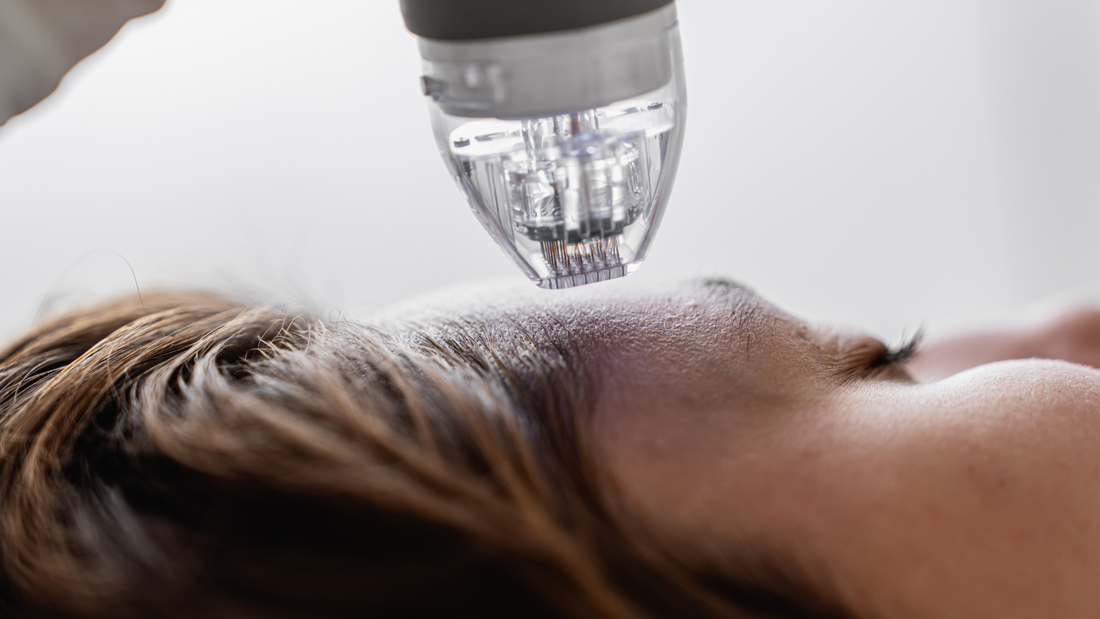
Medical microneedling is a revolutionary method that uses an electric pen equipped with micro-needles to create micro-channels within the epidermis. These small perforations allow for targeted and rapid absorption of active substances. By stimulating skin regeneration and collagen production, this technique also promotes cell renewal and improves the effectiveness of applied ingredients.
Microneedle radiofrequency and fractional lasers
Microneedle radiofrequency and fractional laser techniques offer a synergistic approach to optimize transepidermal penetration. Radiofrequency uses electromagnetic waves to heat tissues, thus increasing their permeability and facilitating the homogeneous diffusion of active ingredients. Fractional lasers, for their part, create controlled micro-perforations in the skin, which allows ingredients to penetrate more deeply and uniformly. Together, these methods maximize tissue absorption and enhance the beneficial effects of cosmetic formulations.
These advanced techniques represent a significant evolution in the field of transepidermal cosmetics, paving the way for increased effectiveness of skin treatments.
Sophisticated encapsulation systems for improved skin penetration
Transepidermal cosmetics rely on innovative encapsulation systems to cross the skin barrier. Liposomes play a central role in this process. As true nanometric vesicles, they reproduce the lipid structure of cell membranes, allowing for targeted and effective transport of active ingredients. Their bilayer membrane protects fragile ingredients, preserving their stability and bioavailability until their release in the heart of the epidermis.
Nanosomes add an extra dimension to this strategy: their considerably reduced size (approximately 100 nm) gives them a unique agility to cross the skin's lipid barriers. This characteristic promotes deeper and more homogeneous diffusion, thus maximizing the action of active ingredients even in harder-to-reach tissues.
Alongside these flagship vehicles, other advanced systems stand out:
- Ethosomes: enriched with ethanol, they fluidize skin lipids to increase permeability.
- Transfersomes: ultra-deformable, they effectively transport bulky or hydrophilic molecules without causing irritation.
How does transepidermal cosmetics improve the penetration of active ingredients? Thanks to this cutting-edge engineering, each active ingredient is precisely delivered to its cutaneous target, guaranteeing enhanced and long-lasting effectiveness.
Specific formulations: an asset for maximizing the effectiveness of cosmetic ingredients

Examining specific formulations allows us to understand how certain ingredients can be enhanced for optimal efficacy. Salicylic acid, known for its exfoliating properties, promotes gentle but effective elimination of dead cells. Its ability to penetrate deep into the pores can be significantly improved by the microneedling and encapsulation techniques discussed previously.
Peptides, essential for stimulating collagen and elastin production, also benefit from advanced penetration methods. When encapsulated in liposomes or nanosomes, their stability and bioavailability increase, allowing for targeted and prolonged action within the deep layers of the skin.
Depigmenting agents such as kojic acid or arbutin, used to even out skin tone and reduce pigment spots, show increased efficacy when integrated into sophisticated transepidermal formulations. These systems allow for homogeneous and deep diffusion, thus guaranteeing faster and more lasting results.
Strategically using these ingredients in combination with advanced techniques optimizes not only their absorption but also their overall performance, thus offering a high-performance skin care solution.
The promising future of transepidermal cosmetics: technological innovations for sustainable beauty
Advanced technologies and sophisticated encapsulation systems open up fascinating perspectives for transepidermal cosmetics. Among the promising innovations, intelligent delivery devices stand out for their ability to effectively overcome the natural skin barrier.
Intelligent delivery devices
These devices are designed to administer cosmetic active ingredients in a targeted and controlled manner. For example:
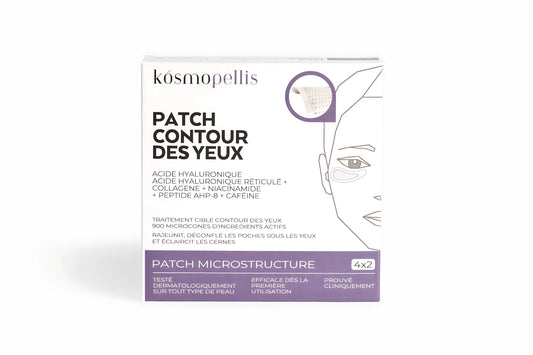
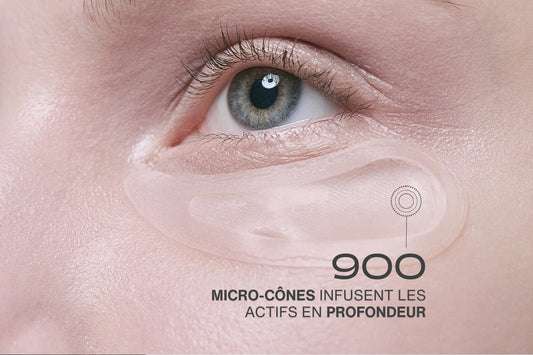
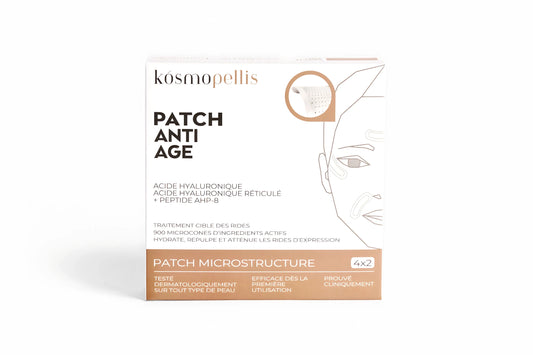
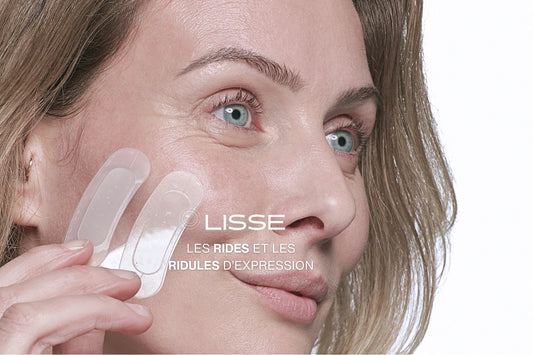
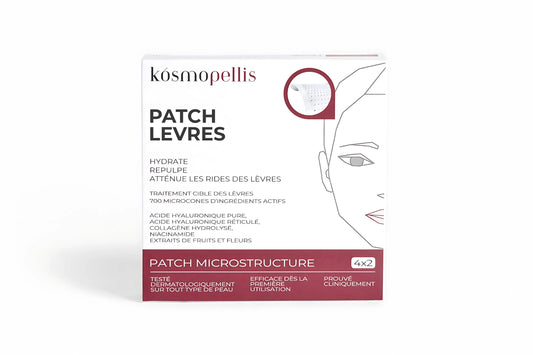
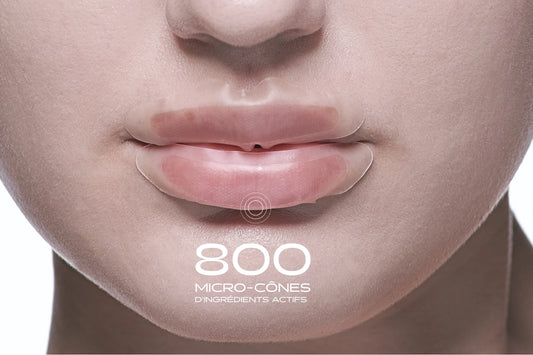
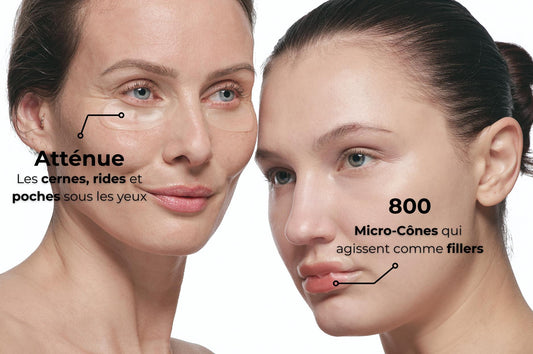
- Dissolvable micro-cone patches: these patches use micro-needles made of biocompatible materials that dissolve after application, thus releasing the active ingredients directly into the deep layers of the skin.
- Electroporation devices: using electrical pulses to temporarily open pores in the skin, these devices allow for increased penetration of active substances.
Advanced encapsulation systems
Encapsulation systems such as liposomes, nanosomes, and transfersomes play a crucial role in improving skin penetration while minimizing environmental impact. These technologies allow for:
- Better stability of active ingredients
- Prolonged and targeted release at the cellular level
- Reduced need for chemical preservatives and stabilizers
The synergistic integration of these technological innovations with sophisticated encapsulation systems promises not only increased efficacy of skin care but also a more sustainable and environmentally friendly approach.
Conclusion
Transepidermal cosmetics, by optimizing the penetration of active ingredients, provide increased effectiveness and improved aesthetic results. Thanks to advanced techniques such as microneedling, radiofrequency, fractional lasers, and sophisticated encapsulation systems like liposomes and nanosomes, active ingredients reach their skin targets more effectively. This integrated approach has a significant positive impact not only on the desired aesthetic results but also on the overall well-being of the skin.