Difference Between Hyaluronic Acid HA and CLHA: All You Need to Know
Hyaluronic acid is a molecule naturally present in your body, particularly concentrated in your skin where it accounts for approximately 50% of the dermis's composition. Today, you'll find it in numerous cosmetic products and aesthetic medicine treatments because it possesses an exceptional ability to retain water: up to 1000 times its own weight.
The role of HA in your skin is essential for maintaining its hydration, firmness, and elasticity. Synthesized by fibroblasts, this active ingredient acts like a true molecular sponge that preserves the suppleness of your skin tissues. With age, your natural production of hyaluronic acid decreases, which explains the appearance of wrinkles and the loss of facial volume.
You should know that there are several forms of hyaluronic acid, each with distinct properties depending on its molecular weight and chemical structure. Understanding the difference between HA, CLHA, low molecular weight, and high molecular weight will allow you to choose the most suitable treatments for your needs.
Different forms of hyaluronic acid and their impact on the skin
You need to understand that not all HA types are created equal. The hyaluronic acid forms available on the market have distinct characteristics that directly influence their effectiveness on your skin. The fundamental difference between these variants lies in their HA molecular weight, measured in kilodaltons (kDa). This measurement determines the size of the molecules and, consequently, their ability to interact with the different layers of your epidermis.
1. Low molecular weight hyaluronic acid (20-500 kDa)
Low molecular weight HA represents the most effective form for deep action. These small molecules have a compact structure that allows them to cross the skin barrier and reach the deeper layers of the epidermis. Unlike larger molecules that remain on the surface, low molecular weight acts where your skin needs it most.
Key characteristics of deep penetration:
- Easier penetration of the stratum corneum due to their reduced size
- Direct access to fibroblasts located in the dermis
- Activation of cellular mechanisms for hyaluronic acid production
The effectiveness of this form of hyaluronic acid: difference between HA is manifested by intense hydration that goes beyond treating superficial symptoms. You benefit from a stimulating action that encourages your cells to produce their own endogenous hyaluronic acid. This stimulation also triggers cell proliferation.
2. Medium molecular weight hyaluronic acid (1000-1800 kDa)
Medium molecular weight HA represents a perfect balance between penetration and surface action. This form of hyaluronic acid stands out for its ability to deliver rapid hydration from the first applications, making it a preferred choice in daily cosmetic formulas.
You will notice visible results on skin texture after a few days of use. Molecules of this size act mainly on the upper epidermis, where they:
- Smooth skin irregularities
- Reduce the appearance of dilated pores
- Provide an immediate "bounce" effect to the skin
This form of hyaluronic acid is particularly suitable for dehydrated skin seeking a quick visible effect without waiting for the deep regeneration offered by low molecular weight. Medium molecular weight HA types are easily integrated into your serums and moisturizing creams, creating synergy with other hyaluronic acid forms to maximize benefits.
3. High molecular weight hyaluronic acid (500 kDa and more)
High molecular weight HA represents a distinct category among the different forms of hyaluronic acid available in cosmetics. These large molecules, which can reach several million Daltons, do not penetrate the deeper layers of the epidermis. Their action is mainly concentrated on the skin's surface where they create a particularly effective non-occlusive skin protective film.
This invisible film acts as a natural shield that:
- Prevents dehydration by limiting transepidermal water loss
- Strengthens the skin barrier against external aggressions
- Immediately smooths the skin's surface
- Visibly improves skin elasticity
Unlike low molecular weight, which favors deep penetration and skin regeneration, high molecular weight offers instant superficial protection. This distinction between HA types based on their HA molecular weight allows you to precisely target your specific skin needs.
CLHA (cross-linked hyaluronic acid): a specialized form for aesthetic filling

CLHA (cross-linked hyaluronic acid) represents a major advance in the field of aesthetic filling. This specialized form of hyaluronic acid undergoes a chemical cross-linking process that creates covalent bonds between molecular chains. This process transforms the structure of hyaluronic acid into a denser and more cohesive three-dimensional gel, offering increased stability against natural enzymatic degradation in the body.
Cross-linking gives CLHA exceptional resistance to hyaluronidases, enzymes that normally break down hyaluronic acid in tissues. This characteristic explains why CLHA has become the reference for injections in aesthetic medicine, particularly for the treatment of deep wrinkles and the restoration of facial volumes.
Specific advantages of CLHA compared to non-cross-linked HA
The durability of cross-linked hyaluronic acid far surpasses that of conventional HA. You can expect results that last between 6 and 18 months, depending on the treated area and the degree of cross-linking of the product used. This longevity reduces the frequency of interventions needed to maintain desired aesthetic results.
The volumizing effect of CLHA is distinguished by its ability to effectively fill wrinkles and restore volumes lost with age. The cross-linked structure holds the gel in place, creating structural support that reshapes facial contours naturally and harmoniously.
Micro-fragmented: an innovation in the field of hyaluronic acid
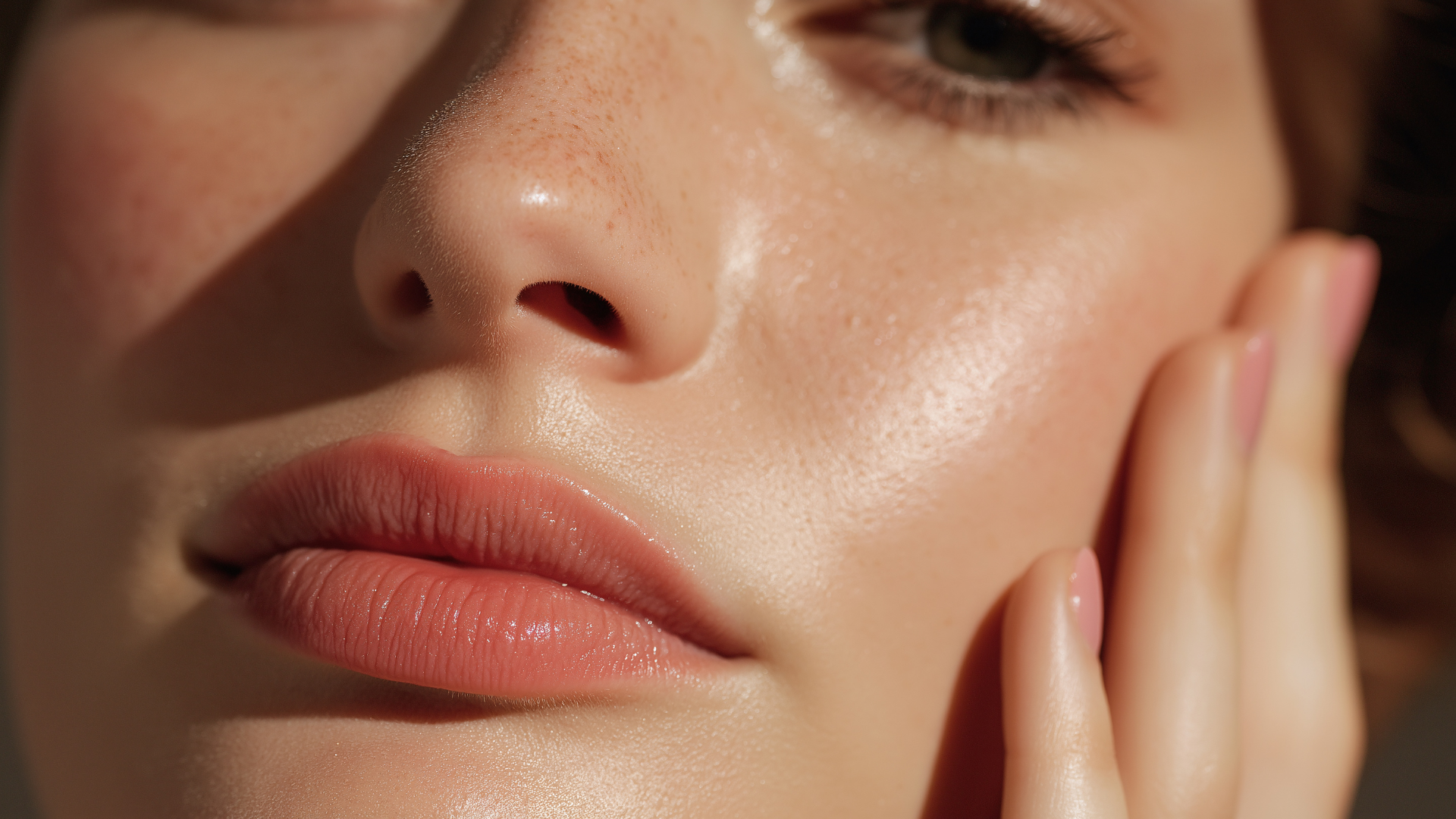
Micro-fragmented hyaluronic acid represents a major technological advance in the field of skin care. This innovative form results from a controlled fragmentation process that breaks down long HA chains into smaller segments, while preserving their essential bioactive properties.
Micro-fragmented HA is distinguished by its dual action:
- Immediate hydration thanks to its ability to effectively penetrate the superficial layers of the epidermis
- Endogenous HA stimulation by activating fibroblasts to naturally produce high molecular weight hyaluronic acid
This fragmented form also possesses remarkable anti-inflammatory properties. It limits the harmful effects of UV rays on the skin, thus offering additional protection against photo-induced skin aging. You benefit from a formulation that not only hydrates your skin but also stimulates its natural regeneration and defense mechanisms.
How to choose between classic HA (low/high molecular weight) and CLHA?
The choice of hyaluronic acid essentially depends on your specific skin goals. Are you looking for deep penetration to stimulate cell regeneration? Low vs high molecular weight HA will be your ally: prioritize low molecular weight (20-500 kDa) for deep action. Do you prefer immediate superficial protection? Opt for high molecular weight HA, which forms a protective film on the surface.
CLHA use is essential when you aim for lasting results and a volumizing effect, particularly in aesthetic medicine. Its cross-linked structure ensures increased resistance to enzymatic degradation.
Modern cosmetic formulas intelligently combine these different forms of hyaluronic acid. This multi-molecular weight approach offers you:
- Intense hydration at all skin levels
- Complete anti-aging action
- Enhanced protection of the skin barrier
- A visible and lasting plumping effect
This way, you maximize the benefits of each form of HA for visibly transformed skin.
Conclusion
Understanding the summary difference HA CLHA allows you to make informed choices for your beauty routine or aesthetic treatments. The hyaluronic acid: difference between HA, CLHA, low molecular weight, high molecular weight lies essentially in their penetration capacity, durability, and specific effects on the skin.
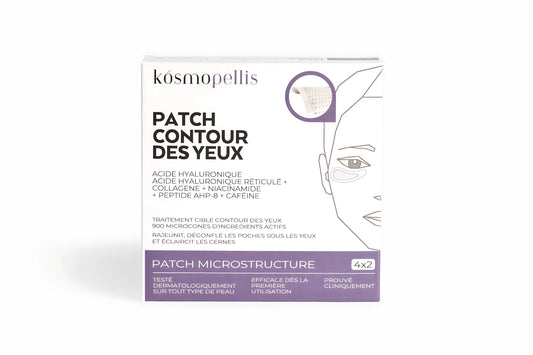
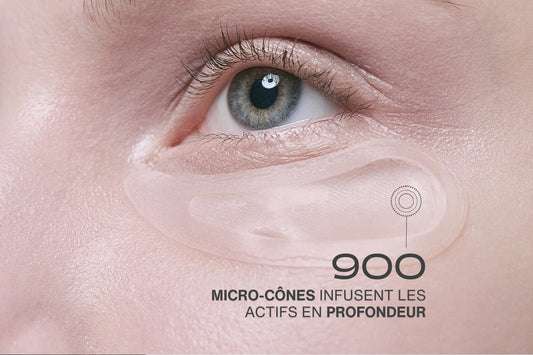
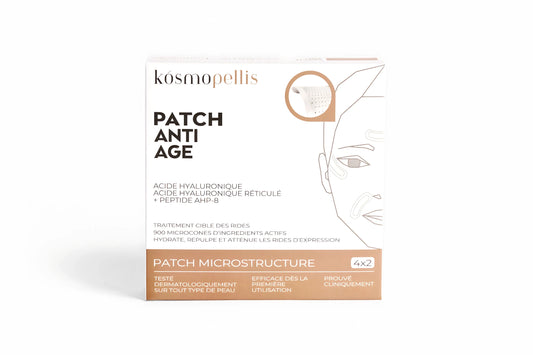
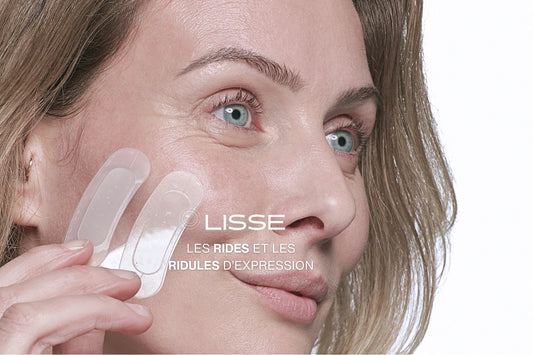
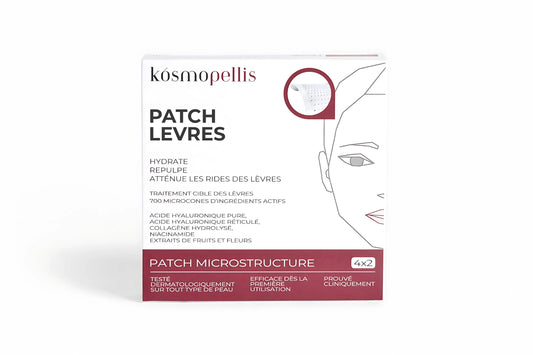
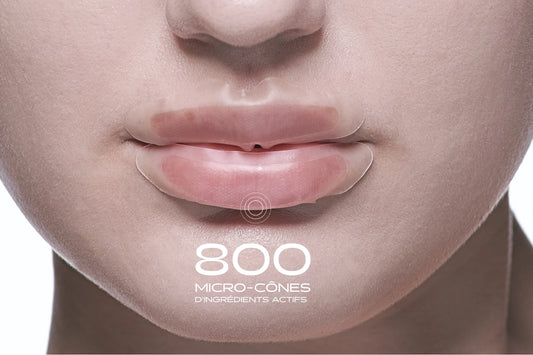
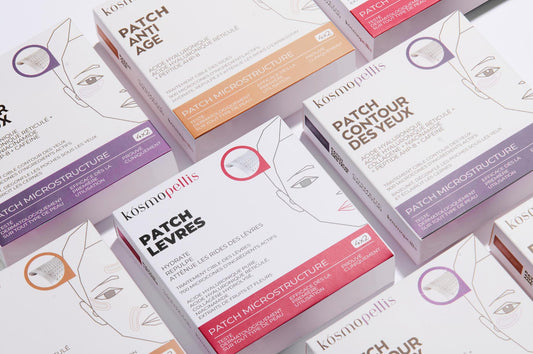
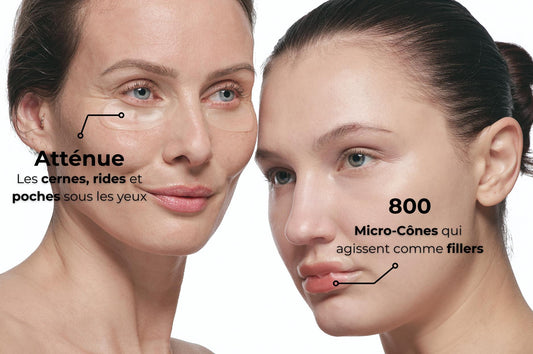
For daily hydration and preventive anti-aging action, favor serums combining several molecular weights. If you are looking for a lasting volumizing effect, CLHA injected by a qualified professional remains your best ally. Modern formulas that combine low, medium, and high molecular weight offer a comprehensive approach: deep penetration, rapid hydration, and surface protection. The brand Kōsmopellis offers products including this type of crystallized hyaluronic acid in the form of self-dissolving micro-cones.
This hyaluronic acid choice guide helps you identify the products suitable for your specific needs. Always consult a dermatologist or aesthetic doctor to personalize your approach according to your skin type and goals.