Injection: Pros and Cons Revealed
Introduction
Injections, a subject of passionate and complex debate, occupy a central place in the medical field. Whether for administering vaccines or for therapeutic treatments, injections play a crucial role in the prevention and treatment of diseases. They improve public health by offering effective and often rapid solutions.
Importance of injections in the medical field:
- Vaccination: protects against infectious diseases.
- Targeted therapies: such as intratumoral immunotherapy.
- Hormonal contraception: an effective method without daily intake.
This article aims to explore the arguments for and against injections. It provides a balanced overview of the potential benefits as well as the associated risks. Through in-depth analysis, you will be better informed to make enlightened decisions regarding your health.
The benefits of injections

Injections play a fundamental role in the medical field, especially in vaccination and the prevention of infectious diseases. Firstly, vaccines are essential for preventing serious and potentially fatal diseases. For example, the hepatitis B vaccine is administered to newborns to prevent the transmission of this viral disease, thus significantly reducing cases of serious chronic infections. This approach has a lasting positive impact on public health by decreasing transmission rates and increasing life expectancy.
Intratumoral injections and immunotherapy
Immunotherapy, and more specifically intratumoral injections, are proving promising in the treatment of metastatic melanoma. These injections enhance the immune response directly within tumors, thus more effectively targeting cancer cells. Unlike systemic therapies which can have severe side effects, this type of targeted treatment offers a safer and often more effective alternative. Studies have shown a significant improvement in remission rates with this localized approach.
Hormonal contraception
Regarding contraception, contraceptive injections represent a reliable method for pregnancy prevention. They offer several advantages:
- Long-term method: a single injection can provide contraceptive protection for several months, eliminating the need for daily intake.
- Varied options on the market: women have access to different formulations tailored to their specific needs.
These solutions are particularly beneficial for those seeking a method without daily constraints, while being highly effective.
Injections therefore continue to be a central pillar in various medical aspects, providing practical and effective solutions to improve individual and public health.
The disadvantages of injections

Administering injections, although often beneficial, is not without its challenges and concerns. One of the main aspects to consider is the potential side effects associated with injectable treatments. These adverse reactions can range from simple skin rashes to more serious complications such as:
- Organ damage: some injections, particularly those used in immunotherapy, can lead to toxic effects on organs.
- Treatment resistance: repeated injections can decrease their effectiveness over time, thus posing the problem of increased resistance.
Before any injection, a prior medical evaluation is crucial to minimize these risks. This step helps determine the patient's suitability for injectable treatment and anticipate possible complications.
Skepticism regarding the effectiveness of certain vaccines or injectable treatments is another notorious drawback. Questions remain about the duration of effectiveness of certain vaccinations and their ability to prevent specific diseases:
- Some vaccines have their effectiveness questioned by a part of the public and even some healthcare professionals.
- Recent controversies have highlighted cases where perceived effectiveness did not match expected results.
These uncertainties fuel the debate on the necessity and frequency of booster shots. Some communities express growing reluctance towards vaccinations, influenced by conflicting and sometimes erroneous information disseminated on social platforms.
By exploring these disadvantages, it becomes clear that medical safety is not limited solely to the correct administration of injections but also includes a thorough understanding of their potential impacts. Clear and scientific communication on these subjects could alleviate certain fears and improve the social acceptance of injectable treatments.
Societal perspectives on injections
The social acceptance of injections and vaccines is influenced by various factors, ranging from cultural beliefs to personal experiences with the healthcare system. Trust in medical institutions plays a central role. Successful vaccination campaigns are often the result of effective communication and increased transparency regarding potential side effects and efficacy.
Recent studies show a growing resistance to certain vaccinations in various populations. This resistance is often fueled by the spread of misinformation on digital platforms, questioning the safety and efficacy of vaccines. For example, some communities express concerns about the long-term effects of recent vaccines, which negatively impacts vaccination rates.
Anti-vaccine movements, although a minority, also have a significant impact on public opinion. These groups highlight examples of adverse effects to justify their "injection for or against" stance. However, it is crucial to remember that the benefits of vaccines, particularly in terms of preventing serious infectious diseases, are widely documented and approved by the majority of medical experts.
By integrating these societal perspectives into the debate, we can hope to improve public understanding and encourage a more balanced approach to the use of injections in modern medicine.
Alternatives to injections

Needle-free hyaluronic acid:
Hyaluronic acid is an essential component in dermatology and aesthetics. It is often administered by injection for its moisturizing and volumizing properties. However, social acceptance and resistance to vaccines or other injectable treatments have prompted the exploration of alternative solutions. Serums and creams enriched with hyaluronic acid offer a non-invasive method to hydrate and smooth the skin. Although their effectiveness may be less compared to injections, these products appeal to those who seek to avoid needles.
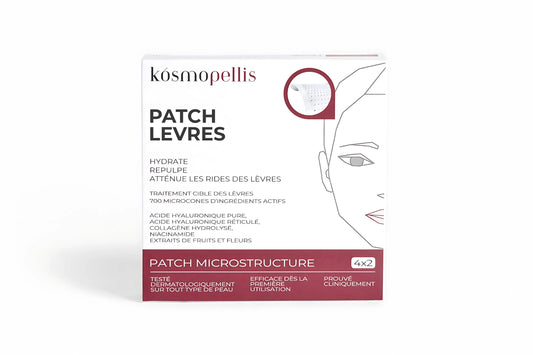
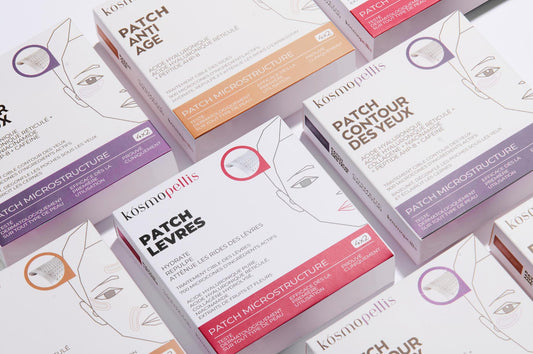
Kosmopellis microstructure patches:
Technological innovations have given rise to microstructure patches, such as those offered by Kosmopellis
- Eye contour patches: these patches target dark circles and under-eye bags, offering a refreshing and lifting effect without pain.
- Anti-aging patches: enriched with anti-aging active ingredients, they promise to reduce the appearance of wrinkles while stimulating cell renewal.
- Lip patches: designed to plump and moisturize lips, these patches are an alternative to filler injections.
These options address concerns about injections for or against, while offering solutions adapted to those who prefer to avoid invasive procedures. The diversity of available choices reflects a growing trend towards more accessible and less restrictive care.

The role of communication and education in the debate on injections
Clear medical communication and rigorous health education are essential to demystify the benefits and risks associated with injections. Healthcare professionals must convey accurate and accessible information, thereby strengthening public trust. This involves targeted awareness campaigns, explaining the mechanisms of action of injectable treatments and their potential implications. Such an approach helps reduce misinformation and increase social acceptance of vaccinations and injectable therapies, ensuring that everyone can make informed decisions about their health.
Conclusion
Making an informed choice regarding the use of injections requires a careful evaluation of available data. It is crucial to weigh the benefits and potential risks, based on recent research and informed medical consultations.
Injections, whether for vaccination, immunotherapy, or hormonal contraception, offer undeniable benefits for public and individual health. However, concerns related to side effects and efficacy must be taken into account.
Each person must feel empowered to ask questions, request clear and precise information, and discuss with healthcare professionals to adopt a personalized approach. Ultimately, the goal is to adopt a balanced perspective on the injection for or against debate, based on proven facts rather than unsubstantiated opinions.