Does blue light really age skin?
You probably spend several hours a day in front of your screens. Smartphone when you wake up, computer at work, tablet in the evening... Blue light has become a constant companion in your daily life. This particular form of light radiation doesn't just come from your electronic devices: the sun is the main source, but LED screens and fluorescent lamps also emit significant amounts.
Does blue light really age the skin? This question is increasingly concerning dermatologists and consumers. You've probably heard about the dangers of UV rays for your skin, but what about this light that bathes your face for hours every day?
The numbers speak for themselves: on average, you spend about 6 hours daily in front of LED screens. This prolonged exposure raises legitimate concerns about skin aging and the oxidative stress it could cause. Understanding the real impact of blue light on your epidermis becomes essential in our hyper-connected lifestyle. You deserve to know if your digital habits are accelerating skin aging and, most importantly, how you can effectively protect your skin.
What is blue light?

Blue light represents a specific portion of the visible light spectrum characterized by wavelengths between 380 and 500 nanometers. This spectral range is distinguished by its particularly high energy, which explains its name "High Energy Visible" or HEV light.
The main sources of blue light
You are exposed daily to blue light from two distinct categories:
Natural sources:
- The sun is the main and most intense source of blue light, emitting an intensity about 1000 times greater than screens.
Artificial sources:
- The LED screens of your smartphones, computers, and tablets
- Fluorescent and compact fluorescent lamps
- Domestic and professional LED lighting systems
Artificial blue light, although less intense than sunlight, presents a unique challenge: you are exposed to it for prolonged periods and at close range, particularly when using digital devices a few centimeters from your face.
Mechanisms of action of blue light on the skin
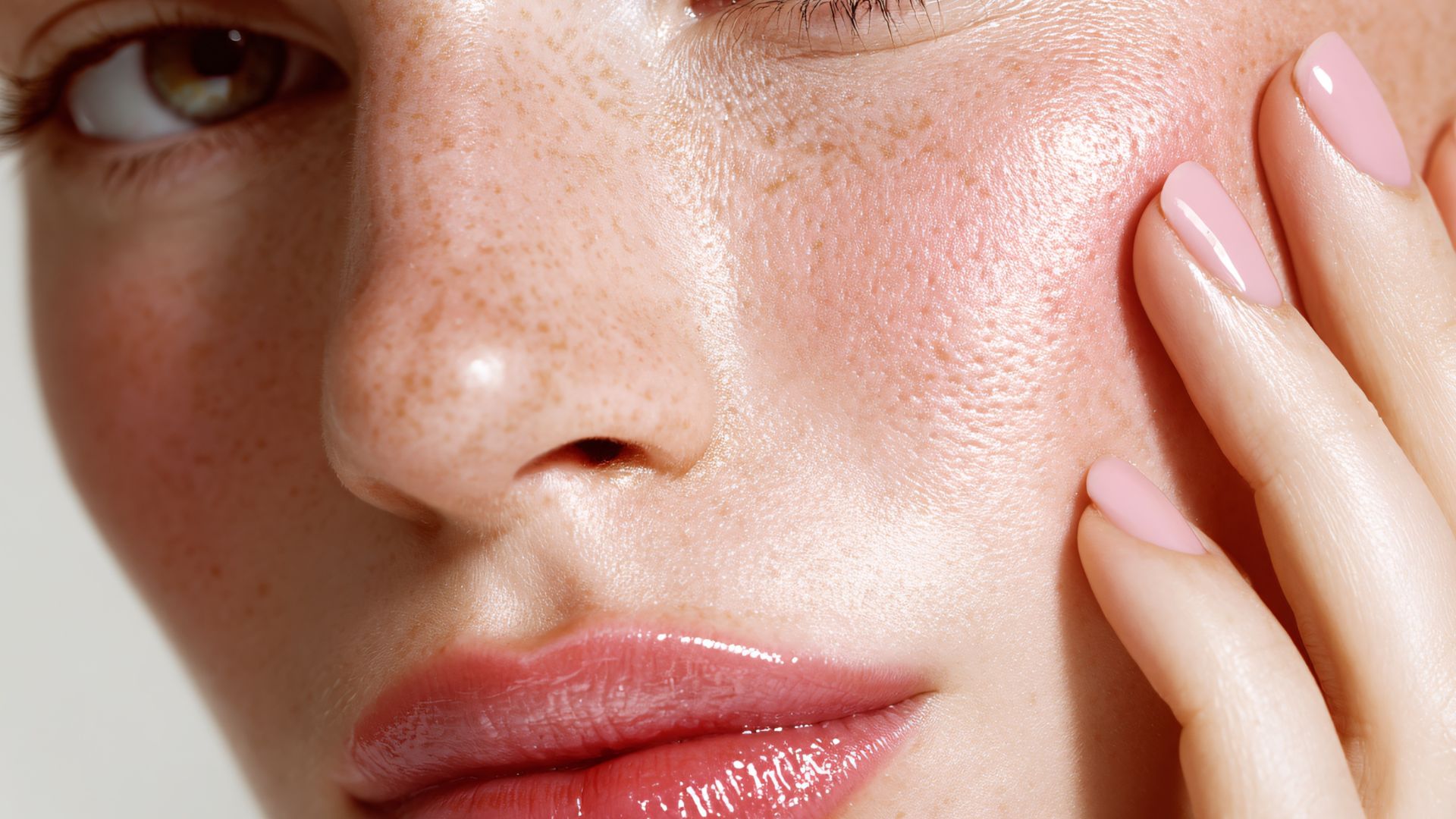
HEV blue light has a remarkable ability to penetrate the skin layers. Unlike UV rays, which primarily stay on the surface, it passes through the epidermis to reach the dermis, where the collagen and elastin fibers essential for your skin's firmness are located.
This deep penetration triggers a worrying biological process: the generation of oxidative stress. Your skin reacts to this exposure by producing reactive oxygen species (ROS), unstable molecules that seek to stabilize themselves by attacking surrounding healthy cells.
The resulting cellular damage is multiple:
- Lipid oxidation: cell membranes lose their integrity
- Protein alteration: collagen and elastin degrade prematurely
- Skin DNA lesions: cells lose their optimal regeneration capacity
This mechanism of accelerated photoaging explains why prolonged exposure to blue light can compromise your skin's youth and vitality.
Visible effects on the skin related to blue light exposure
The oxidative stress generated by blue light results in visible signs of skin aging. Does blue light really age the skin? Clinical manifestations provide concrete answers.
Wrinkles and fine lines
Wrinkles and fine lines appear more quickly under the effect of prolonged exposure. The degradation of collagen and elastin in the dermis weakens the skin's supporting structure. The skin's elasticity gradually decreases, leading to premature skin laxity. You will particularly notice these signs around the eyes and on the forehead, areas frequently exposed to screens.
Pigment spots
Pigment spots are the other major manifestation. HEV blue light directly stimulates melanocytes, the cells responsible for melanin production. This activation causes:
- Localized hyperpigmentation
- An uneven and dull complexion
- Persistent brown spots, similar to melasma
The intensity of these effects depends on your daily exposure time and your phototype.
Daily exposure to blue light: reality and risks for our skin

The average screen time in France is approximately 6 hours per day. You probably spend a large part of your day in front of your smartphone, computer, or tablet, exposing your face to a constant source of artificial blue light. This cumulative exposure creates permanent oxidative stress at the level of your skin cells.
Here's what this daily exposure really means:
- 6 hours of LED screens per day is equivalent to 42 hours per week
- Continuous exposure that doesn't allow your skin time to recover
- A constant bombardment of free radicals on your epidermis
Solar blue light remains 1000 times more intense than that of your screens, but prolonged and repeated exposure to artificial sources deserves your attention. You probably don't apply sunscreen when working indoors, leaving your skin vulnerable to these daily aggressions that accumulate over the years.
How to effectively protect yourself against the harmful effects of blue light?
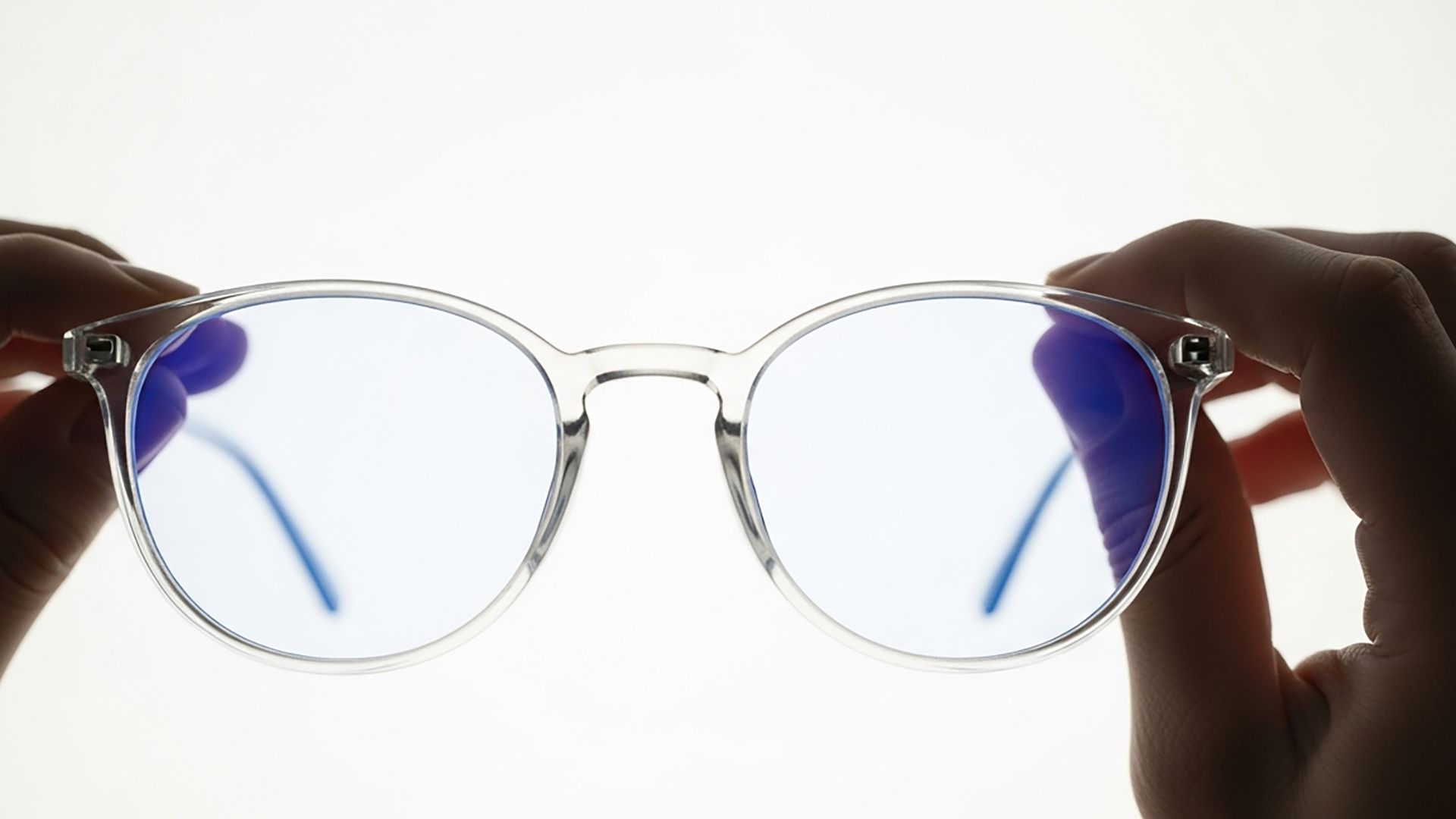
Protecting your skin from blue light requires a targeted approach with specifically formulated products. Blue light filters are the first line of defense: innovative ingredients like TriAsorB™ are designed to effectively block these HEV rays before they penetrate the deep layers of your epidermis.
You should also integrate moisturizers enriched with antioxidants into your daily routine. These formulas act as a protective shield by neutralizing free radicals generated by blue light exposure. Key antioxidants to look for include:
- Vitamin C to stimulate collagen production
- Vitamin E to strengthen the skin barrier
- Polyphenols to combat oxidative stress
- Niacinamide to reduce inflammation
Applying broad-spectrum sunscreen remains essential, even indoors, as it offers combined protection against UV and artificial blue light.
Practical daily tips to limit the impact of blue light on our skin
Beyond cosmetic care, you can adopt simple actions to reduce your daily exposure. Limiting screen time remains your first line of defense: try to take regular breaks every hour, stepping away from your devices for at least 10 minutes.
You can install blue light filtering software on your smartphones, tablets, and computers. These applications automatically adjust your screen's color temperature, reducing HEV light emission, especially in the evening. Physical blue light screen protectors are also an effective option.
Remember to adjust your screen brightness according to ambient lighting: a screen that is too bright in a dark room intensifies exposure. You should also favor natural light during the day and position your workstation to avoid direct glare on your face.
Conclusion
The question "Does blue light really age the skin?" deserves special attention in our digital age. Current research shows that prolonged exposure to screens effectively contributes to skin photoaging, even if its intensity is less compared to solar UV rays. You spend an average of 6 hours daily in front of your screens, exposing your skin to repeated oxidative stress that accumulates over time.
Vigilance is essential in the face of this modern reality. Adopt an adapted protection routine, incorporate antioxidant care, and limit your screen time when possible. Your skin will thank you for taking these simple but essential precautions to preserve its youth and vitality against the challenges of the digital world.