Microneedling vs. Microstructure: The Real Difference
I'll be honest, at first I thought "microstructure" was just another fancy word for microneedling. A synonym, a variation, a marketing gimmick. And then I started seeing both terms used on different clinic pages, sometimes referring to things that were clearly not identical. So yes. There is a difference. But it's not always what people imagine.
What complicates everything is that these two words can intersect in real life. Microneedling can be done to create a microstructure in the skin. And we can talk about skin microstructures without any needles. That's why it quickly leads to confusion.
We're going to clarify all of this, without unnecessary jargon. And with concrete examples, because otherwise it remains unclear.
Microneedling: What Exactly Is It?
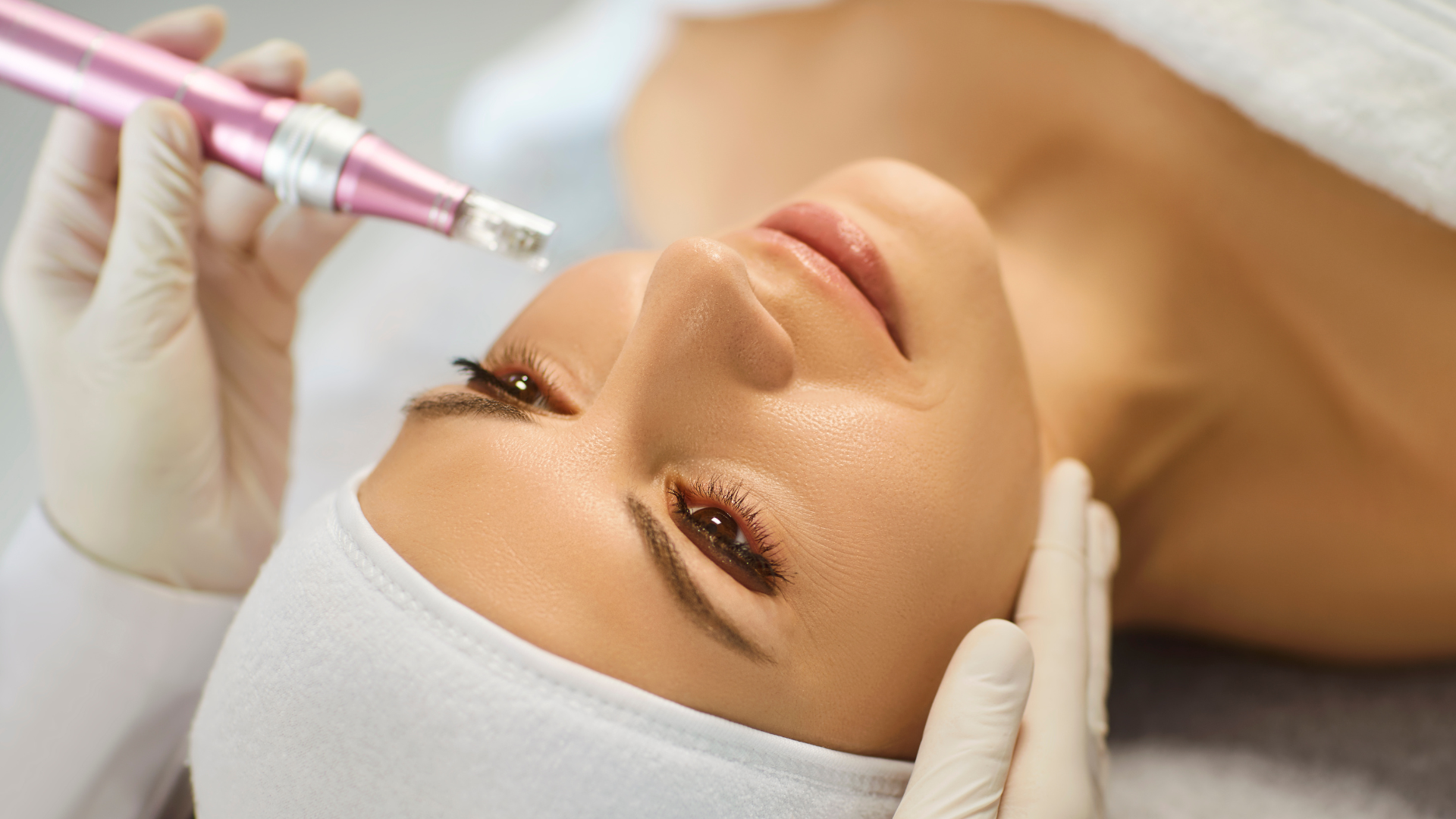
Microneedling is a technique that uses micro-needles to create controlled micro-perforations in the skin.
The goal is not to "injure" the skin for pleasure. The goal is to trigger a very classic biological response: healing, renewal, stimulation of collagen and elastin, progressive improvement of texture.
In practice, it is done with:
- a dermaroller
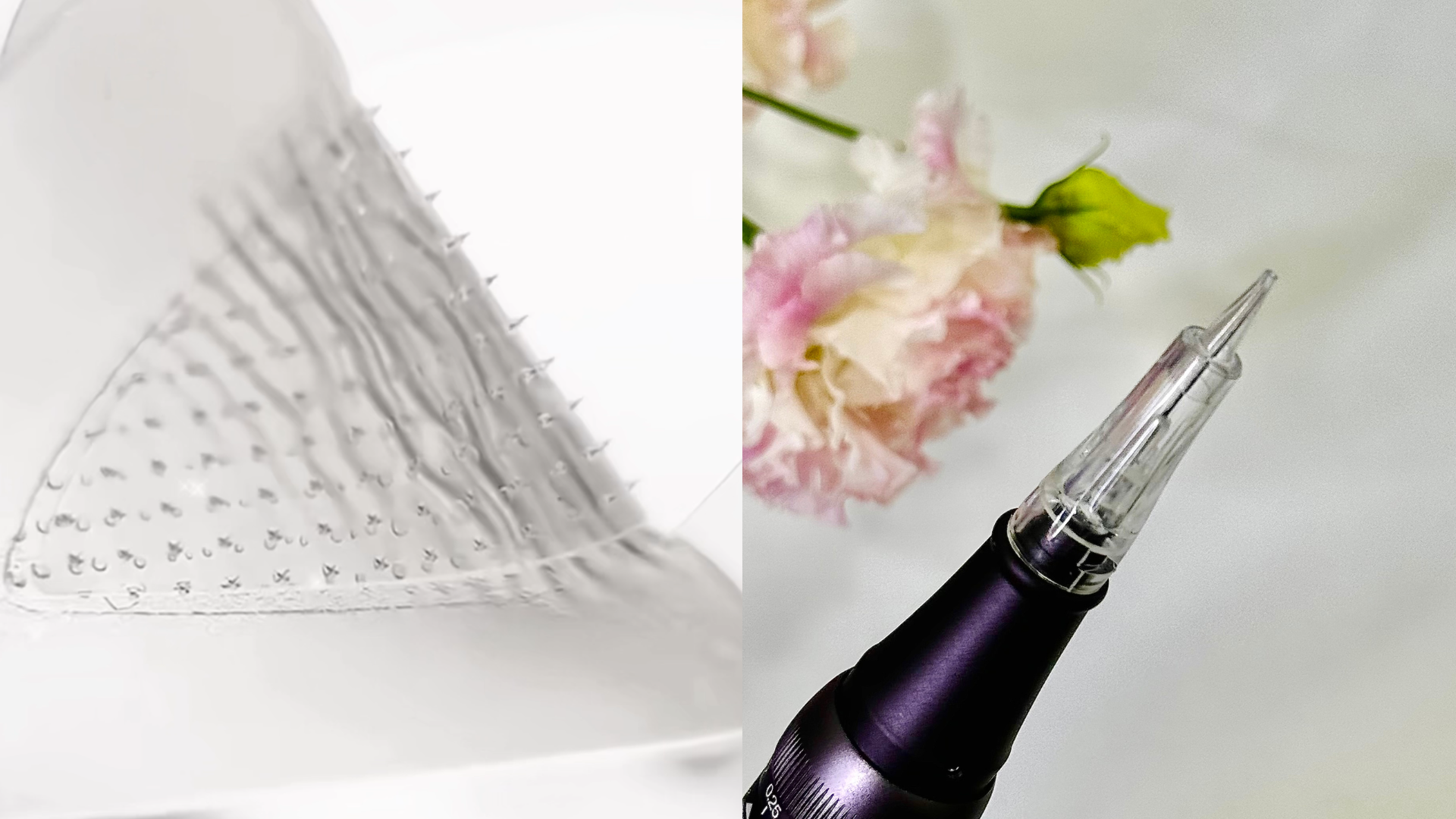
- a dermapen (electric pen, more precise)
- or a medical device in a clinic, often more powerful, more supervised
We choose a needle depth (for example, 0.25 mm, 0.5 mm, 1 mm, 1.5 mm… depending on the need and the area). The deeper it is, the more stimulating it is. And the more sensitive it is too, with more redness and recovery time.
What Microneedling Most Often Treats
Generally, it is recommended for:
- acne scars (especially atrophic ones)
- enlarged pores, uneven skin texture
- fine lines
- spots and dull complexion (often in combination with suitable active ingredients)
- stretch marks (on the body)
- hair loss: scalp version (in certain protocols)
What to remember: microneedling = an action, a technique. It describes a process.
Microstructure: What Are We Talking About When We Say That?
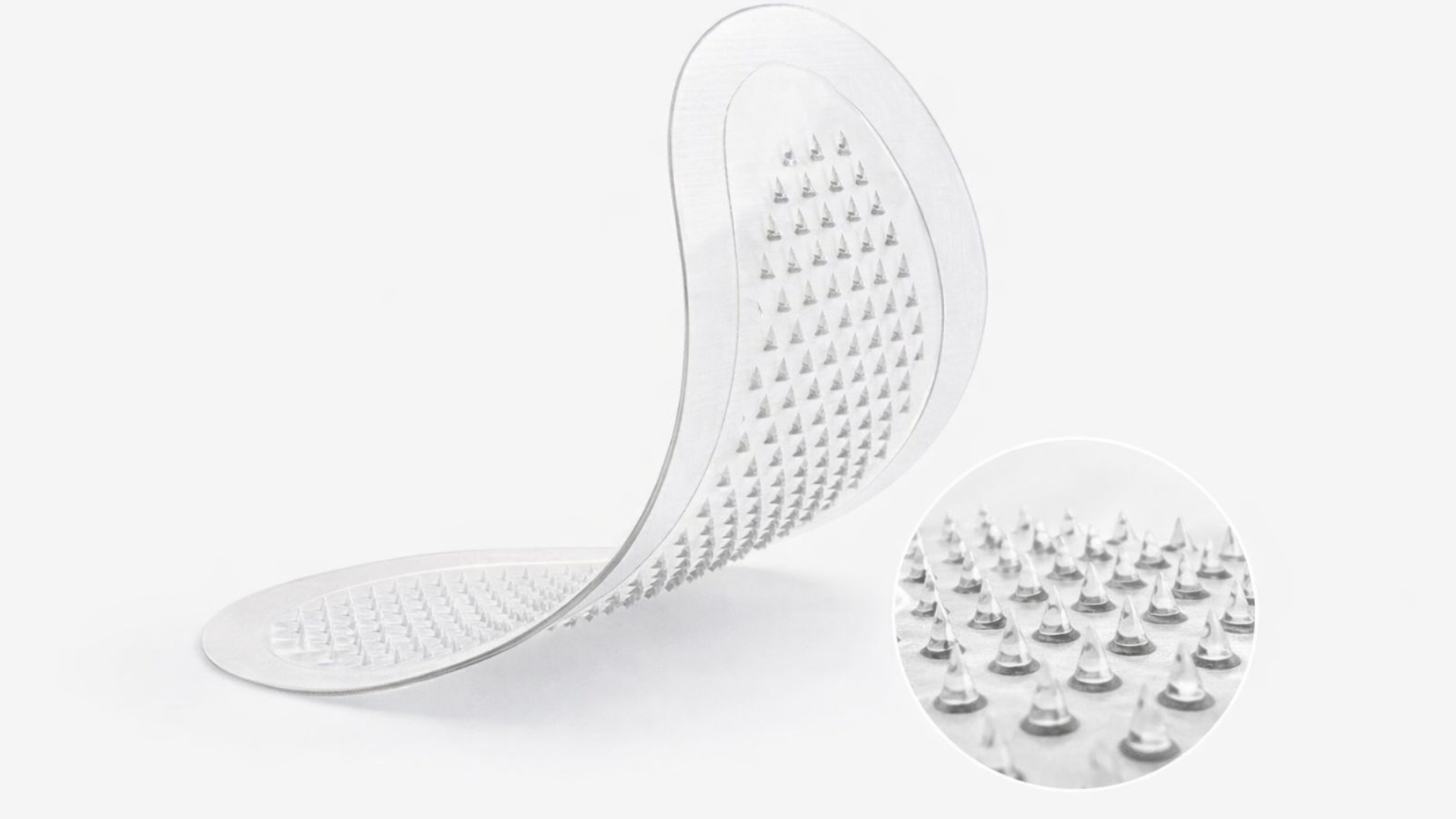
"Microstructure" is much broader. It's not a single technique.
A microstructure is a structure on a small scale. Period. And in the context of skin, cosmetics, dermatology, it can mean several things depending on who is speaking.
Here are the most frequent uses.
1) Skin Microstructure: A State, An Architecture
When we talk about skin microstructure, we can be referring to the organization of the skin at a microscopic level: collagen network, elastic fibers, surface relief, organization of the stratum corneum, micro-relief, etc.
In this sense, microstructure is not a method. It is what we observe.
Example: dehydrated skin has a more pronounced surface microstructure (visible micro-lines). Thickened or photoaged skin can have an altered, less regular microstructure.
2) Microstructure in Cosmetics: The Physical Form of a Product
In the cosmetics industry, "microstructure" is also used to refer to the structure of a formula: emulsion, gel, lipid lamellae, capsules, microspheres, active ingredient delivery systems.
For example, a cream can be formulated to mimic the lipid organization of the skin barrier. This is called a lamellar microstructure. Nothing to do with needles.
3) Microstructure as a "Microchannel" Technique, But Not Necessarily Needles
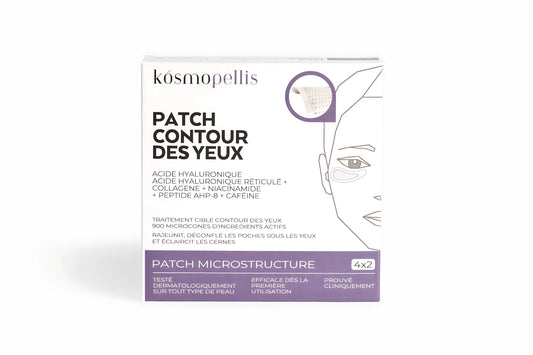
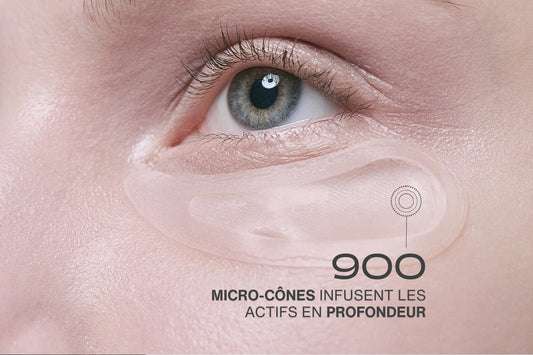
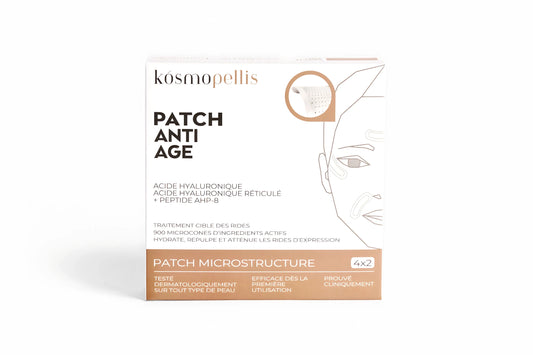
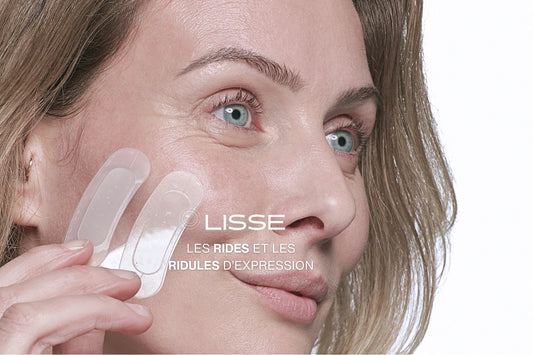
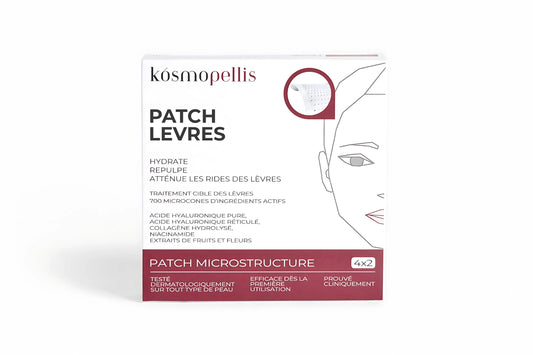
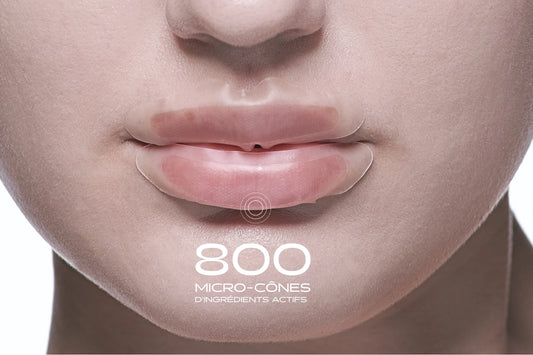
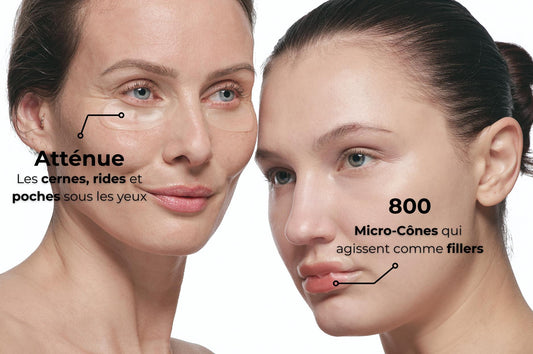
Sometimes, "microstructure" is used to describe technologies that create micro-reliefs or micro-channels in different ways: fractional lasers, fractional radiofrequency, peels that modify the surface, or even certain micro-relief patches.
And here, yes, we return to the idea of controlled micro-perturbation. But it is still not automatically microneedling.
So, microstructure = a possible result, a state, or a concept. Not a defined action.
The Real Difference: Technique vs. Result, Precise Word vs. Vague Word
We can put it simply:
- microneedling: this is a precise technique using micro-needles
- microstructure: this is a generic term that can refer to the microscopic organization of the skin, a product, or a desired effect
It's a bit like "painting" vs. "texture". Painting is the tool and the action. Texture is what you see and feel, or sometimes the internal structure of the material.
And yes, microneedling often aims to improve the skin's microstructure. But that doesn't mean the two words are interchangeable.
Why Are They So Often Confused?
Because some communications use "microstructure" as an umbrella term that sounds scientific. It's reassuring. It sounds technical. It gives the impression of innovation behind it, even if we're just talking about classic microneedling.
And also because microneedling has become popular. So variations in vocabulary are appearing:
- "collagen induction"
- "micro-perforation therapy"
- "microstimulation"
- "skin microstructuring"
This can be honest. Or just vague. It depends.
Goals and Effects: What Really Changes on the Skin?
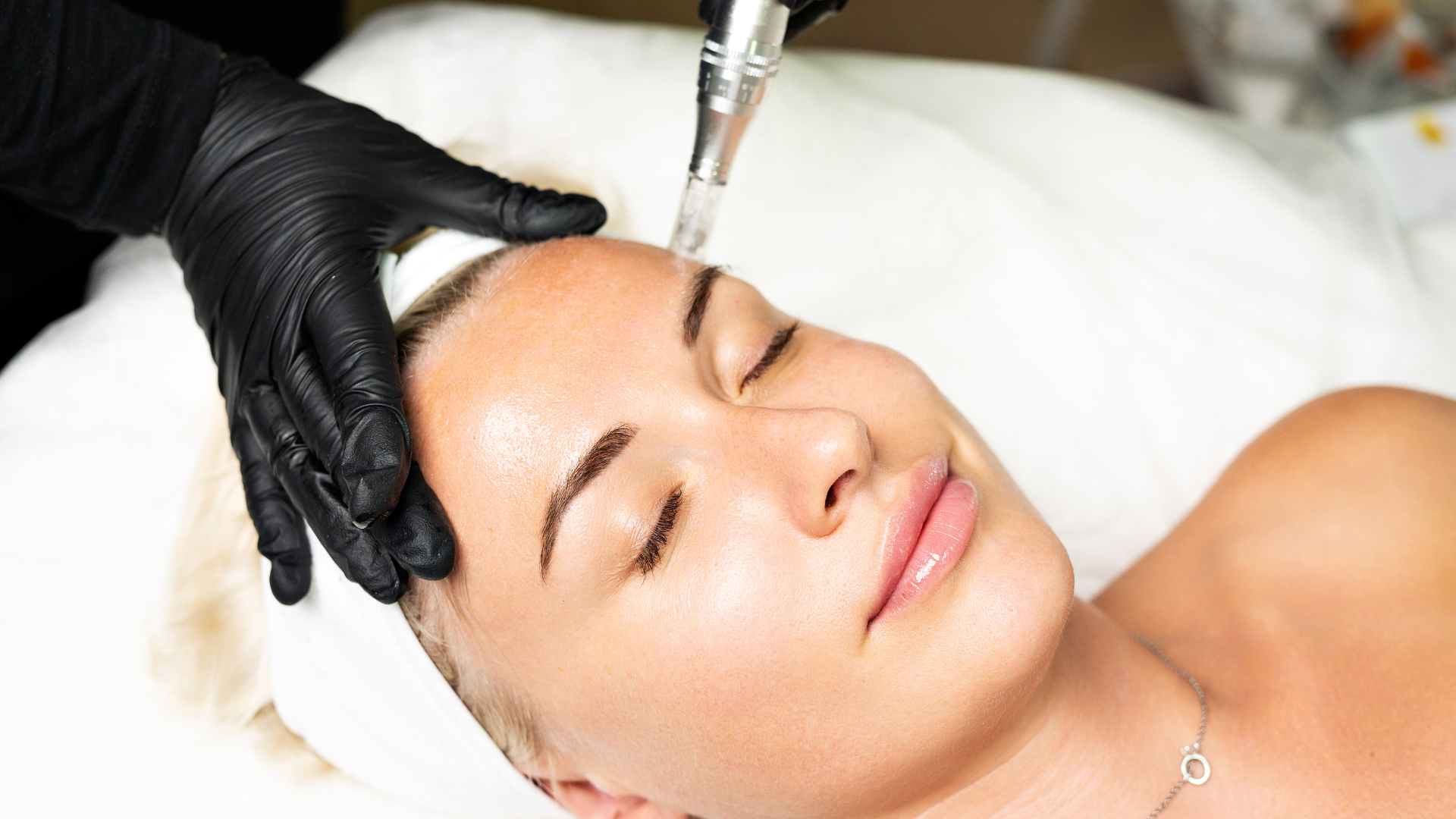
Here, we ask a simple question: does it change anything for you, as someone who wants to improve their skin?
With Microneedling
You can expect:
- immediate redness (often 24 to 72 hours)
- smoother skin over several weeks
- progressive improvement of scars or fine lines (often several sessions)
- better tolerance of certain active ingredients, but be careful: not just any immediately afterwards
Microneedling is controlled mechanical stimulation. It provokes a biological reaction.
With "Microstructure" (in a broad sense)
It depends on what it means in context. And that's the trap.
- If "microstructure" = cosmetic formula microstructure: you can have better sensoriality, better diffusion, sometimes better tolerance. But it's not a procedure.
- If "microstructure" = state of your skin: it's an observation, not a treatment.
- If "microstructure" = another technology (laser, RF, micro-relief patches): the effects, pain, downtime, and risks change completely.
So if someone sells you "a microstructure session," always ask: "Concretely, what are you doing to the skin? With what device? What depth? What downtime?"
Pain, Recovery, Risks: Microneedling and Other Approaches
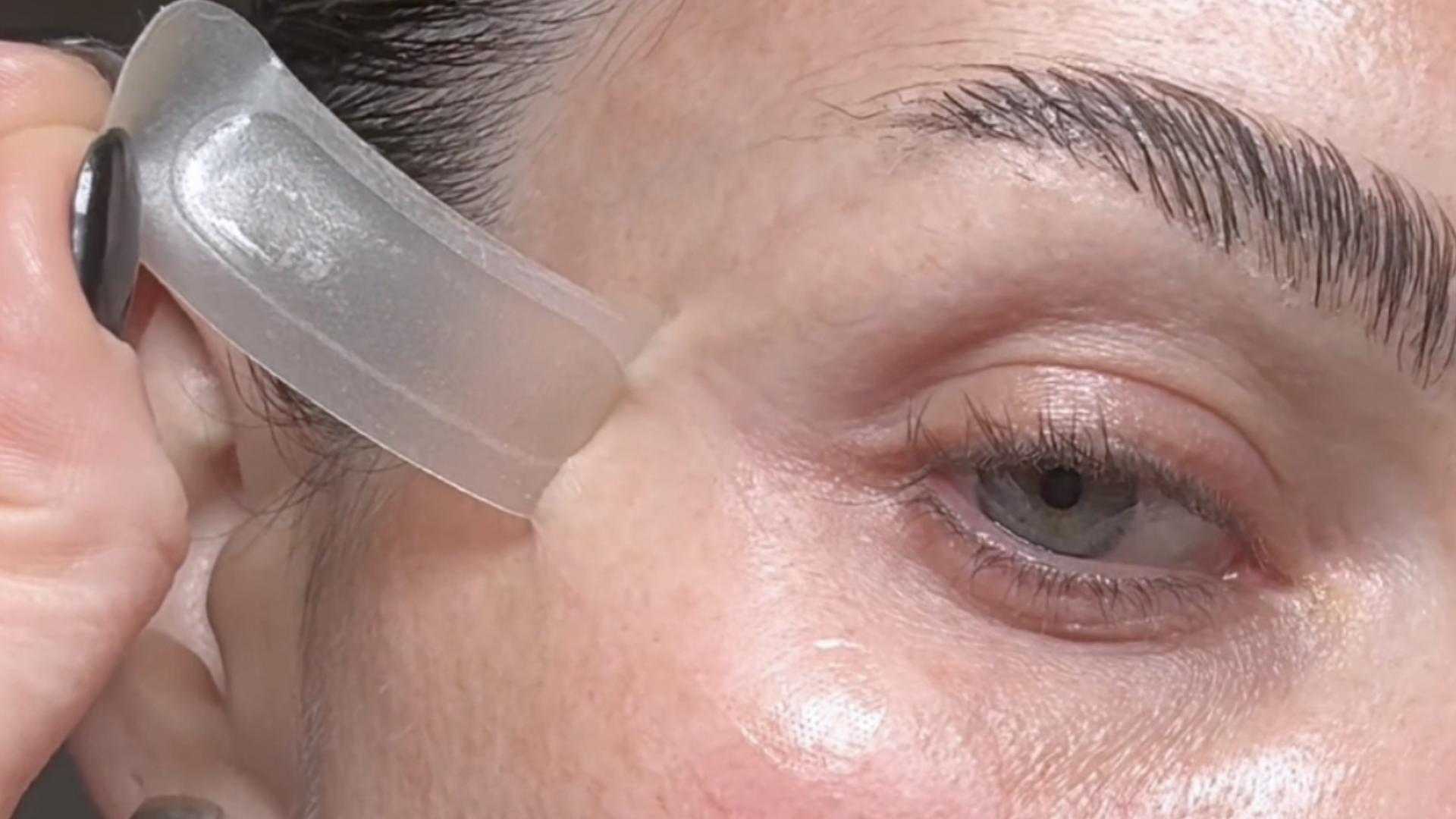
Microneedling, especially in a clinical setting, can be uncomfortable. Anesthetic cream is often used for greater depths.
Risks exist, but they are mainly related to:
- dubious hygiene
- excessively aggressive depth
- unsuitable active ingredients applied immediately afterward
- unsuitable skin (inflammation, severe active acne, eczema flare-ups, etc.)
Possible effects: irritation, inflammatory flare-ups, post-inflammatory hyperpigmentation (especially on darker skin types if poorly managed), infection if strict rules are not followed.
With other techniques sometimes categorized under "microstructure" (fractional laser, fractional RF), there can be more downtime and different risk profiles. It's not automatically "better" or "worse," but it's different. And that deserves to be clearly stated.
Active Ingredients and the Famous "Serum Cocktail": Caution

Microneedling is often marketed with "cocktails": hyaluronic acid, vitamins, peptides, sometimes even stronger active ingredients.
A simple reminder: after microneedling, the skin is more permeable. So yes, some products penetrate better. But that also means that anything irritating penetrates better and deeper.
In a clinical setting, some use dedicated sterile products. At home, many people do whatever they want, and that's where problems arise.
If you take away one line: right after microneedling, keep it basic, soothing, and clean. And save more aggressive active ingredients for later, once the barrier has recovered.