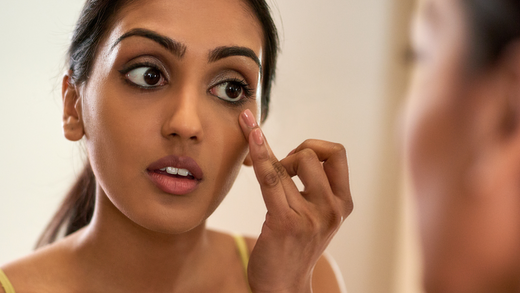
Dark Circles: Identify Your Type and Choose the Right Treatment
Why is it crucial to understand your dark circle type? Correctly identifying the type of dark circles you have not only allows for more effective treatment but also helps prevent their future reappearance. Treatments vary significantly depending on the color and characteristics of the dark circles.
This article aims to guide you in accurately identifying your dark circle type and selecting the most suitable care for your situation. Whether you are concerned about dark circles caused by fatigue, stress, or genetic factors, find here the adapted solution to regain a refreshed look.
Understanding Dark Circles

Dark circles refer to the shadows or discolorations that appear under the eyes, often perceived as a sign of fatigue or exhaustion. These marks can affect the appearance of the face, giving it a tired or older look, which can influence how others perceive you.
General Causes of Dark Circles
Several factors contribute to the appearance of dark circles:
- Fatigue: Lack of sleep is one of the most common causes. A sleepless night can lead to a pale complexion, thus accentuating the visibility of blood vessels under the skin.
- Stress: High levels of stress can affect sleep quality and increase eye strain, promoting the appearance of dark circles.
- Genetics: Some individuals are genetically predisposed to developing dark circles. Family history plays a crucial role in this predisposition, with a tendency to have thinner skin under the eyes.
Recognizing and understanding these causes allows for better identification of the type of dark circles you are dealing with, thus facilitating the choice of appropriate treatment to improve your appearance and boost your self-confidence.
The Different Colors and Forms of Dark Circles: An Identification Guide
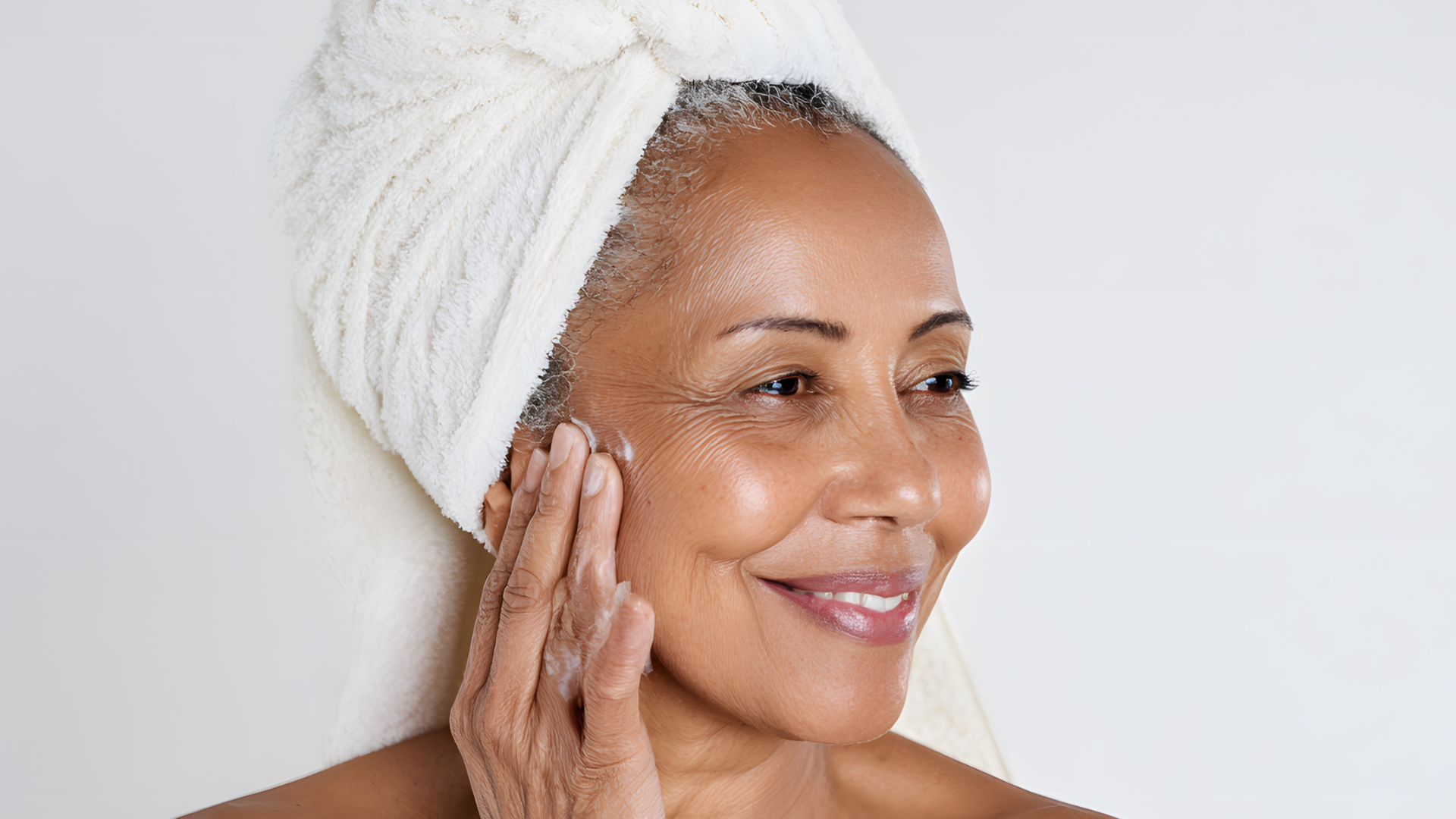
Dark circles under the eyes come in various forms and colors, each indicating specific causes and treatments. Here is an overview of the main dark circle colors:
- Brown dark circles: These dark circles often result from hyperpigmentation. They are visible as a brownish tint under the eyes and can move with the skin when stretched. Sun exposure and allergies are common causes.
- Black dark circles: Recognizable by their dark hue, these dark circles temporarily lighten when the skin is stretched. They are generally linked to a lack of collagen or elasticity in the skin.
- Blue dark circles: Characterized by a bluish color, these dark circles do not change color when the skin is stretched. They are often caused by poor blood circulation or increased stress.
Color plays a crucial role in identifying the type of dark circles you have. It can indicate the underlying cause and guide you towards the appropriate treatment. Identify your type by carefully observing the color and reaction of your dark circles to stretching to choose the most suitable care.
1. Brown Dark Circles: Understanding and Treating This Type of Dark Circle
Brown dark circles are distinguished by their movement with the skin when it is stretched. This unique characteristic gives them a notable impact on overall appearance, potentially giving the face a tired and older look.
Common Causes of Brown Dark Circles
- Sun exposure: Hyperpigmentation caused by excessive UV exposure can intensify the color of dark circles.
- Allergies: Allergic reactions can cause inflammation and increased pigmentation under the eyes.
Recommended Solutions and Treatments
To reduce brown dark circles, several solutions and treatments can be considered:
- Sun protection: Use sunscreen daily to prevent the worsening of hyperpigmentation.
- Skin hydration: Regularly apply suitable moisturizing creams to maintain skin elasticity and health.
- Allergy treatment: Identify and treat underlying allergies to reduce inflammation.
Adopting these practices will help you recognize your type of dark circles and choose the appropriate care, thereby improving the overall appearance of your face.
2. Black Dark Circles: Understanding and Treating This Type of Dark Circle
Black dark circles have distinctive characteristics that make them easy to identify. When the skin under the eyes is stretched, these dark circles lighten, often indicating a problem related to a lack of collagen and elasticity. These factors contribute to the appearance of more pronounced dark circles, altering the overall appearance by giving the face a tired or aged look.
Common Causes of Black Dark Circles
- Lack of collagen and elasticity: Over time, collagen production naturally decreases, leading to a loss of skin elasticity.
- Accumulation of fatty tissue: This accumulation can accentuate the shadow under the eyes, making dark circles more pronounced.
Recommended Solutions and Treatments
To reduce black dark circles, several approaches can be considered:
- Anti-aging products: Use creams containing retinol or peptides to stimulate collagen production.
- Healthy diet: Include foods rich in vitamin C and antioxidants to support skin health.
- Regular exercise: Promotes better blood circulation and helps reduce the appearance of dark circles.
These solutions offer promising avenues for reducing the intensity of black dark circles and improving the overall radiance of the face.
3. Blue Dark Circles: Understanding and Treating This Type of Dark Circle
Blue dark circles are distinguished by their unchanged appearance even when the skin is stretched. This unique characteristic means that blue dark circles are not affected by skin tension, which can often make them more visible and persistent. Their presence under the eyes can give the impression of a tired or stressed face, thus altering the overall appearance.
Common Causes of Blue Dark Circles
- Poor blood circulation: Insufficient circulation in the under-eye area can lead to blood accumulation, giving dark circles their bluish tint.
- Stress: The impact of stress on the body, including altered blood flow and increased cortisol levels, can exacerbate the appearance of blue dark circles.
- Dehydration: Not drinking enough water dries out the skin, making blood vessels more visible.
Solutions to Reduce Blue Dark Circles
- Improve blood circulation: Incorporate gentle massages around the eyes to stimulate blood flow.
- Stress reduction: Practicing relaxation techniques like yoga or meditation can help reduce stress.
- Adequate hydration: Make sure to drink enough water daily to maintain good skin hydration.
- Restorative sleep: Sufficient and quality sleep significantly improves the appearance of dark circles.
These methods help reduce the intensity of blue dark circles and improve your overall appearance.
Hereditary Dark Circles: A Challenge for Your Beauty Routine
Hereditary dark circles are a particular type of dark circles resulting from a genetic predisposition. They can be present from childhood and manifest in different shapes and colors, including brown, black, or blue. Recognizing your type of dark circles is essential for adapting an effective care routine.
Why Are They More Difficult to Treat?
- Genetic origin: Unlike dark circles caused by environmental factors or lifestyle, hereditary dark circles originate from family genetics. This means they are often more resistant to conventional treatments.
- Limited solutions: Usual treatments, such as brightening creams or home remedies, may have limited effect. It is often necessary to opt for more targeted solutions like consulting a dermatologist or using specialized care.
For those struggling with the difficulty of treating dark circles, it is crucial to focus on a suitable and personalized beauty routine. This can include using products rich in specific active ingredients and resorting to professional techniques if necessary.
How to Identify Your Type of Dark Circle? A Practical Guide
Correctly identifying your type of dark circle is essential for choosing the appropriate care. Here are some simple observation methods:
- Color of dark circles: Carefully observe the color under your eyes. Dark circles can be brown, black, or blue, with each shade indicating a different cause. For example, brown dark circles are often linked to hyperpigmentation factors.
- Reaction to stretching: Gently stretch the skin under your eyes. Note if the color lightens or remains unchanged:
Black dark circles: generally lighten when you stretch the skin.
Blue dark circles: do not change color with stretching.
- Cold compress test: Apply a cold compress to your dark circles and observe the reaction:
If the dark circles diminish: they could be vascular.
If they do not change: they are probably pigmented.
This careful observation will help you determine the appropriate care to effectively reduce your dark circles.
Conclusion: Adopt a Personalized Routine According to Your Dark Circle Type!

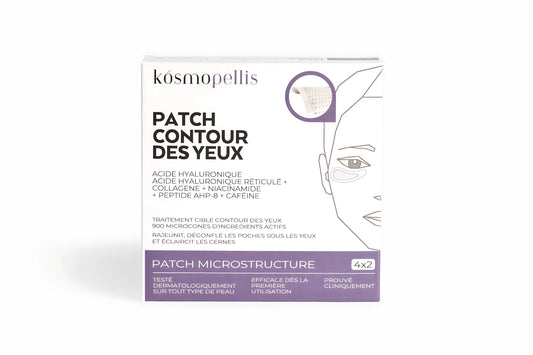
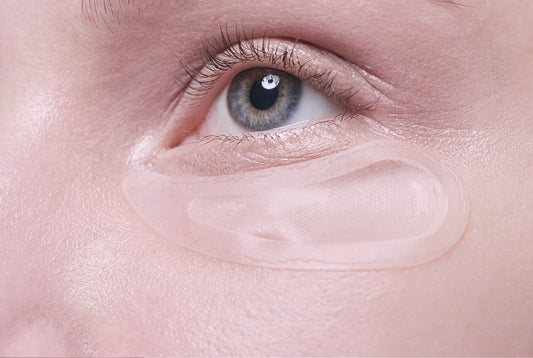
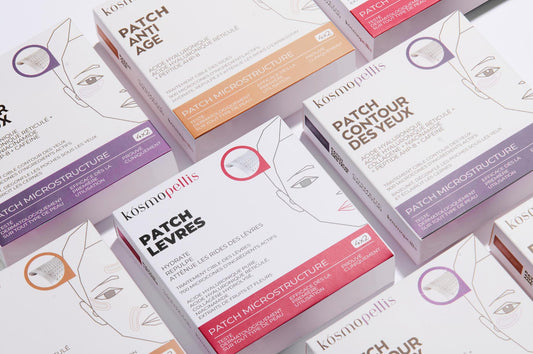
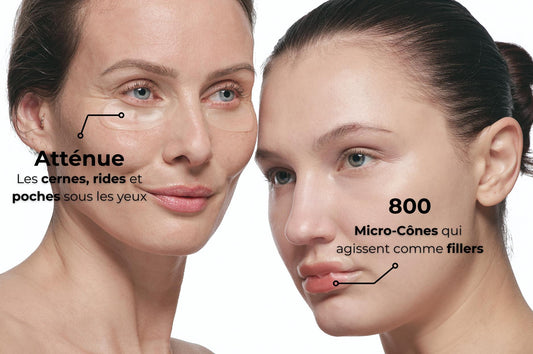
Adopting a personalized dark circle care like the kósmopellis microstructure patcheskósmopellis is essential to effectively treat the marks under your eyes. By recognizing your type of dark circles — whether brown, black, blue, or hereditary — you can select adapted care and maximize the effectiveness of your beauty routine. Take the time to observe your dark circles and adjust your practices accordingly to regain a rested and refreshed appearance. Do not hesitate to consult a professional if necessary for personalized and in-depth advice. Start transforming your routine today!