Genetics and Dark Circles: What You Need to Know
Introduction
Dark circles under the eyes are a common phenomenon that can significantly affect one's appearance. Often perceived as a sign of fatigue or aging, they can make the face look tired and dull. Understanding the origin of dark circles and their genetics is essential for better treatment and improved skin health.
Dark circles are divided into several types based on their appearance and cause, but what is often overlooked is the predominant role that genetics plays in their appearance. Genetics influences not only the type of dark circles you may develop but also the severity with which they manifest. By identifying the genetic contribution to your dark circles, you can choose more effective and personalized treatments to mitigate their impact.
The different types of dark circles and their link to genetics

1. Pigmented dark circles
Pigmented dark circles are characterized by a brownish discoloration under the eyes, primarily resulting from an accumulation of melanin in the skin. This increased pigmentation is often more visible in individuals with darker skin, where melanin production is naturally higher.
- Melanin Accumulation: Melanin plays a key role in our skin color and directly influences the appearance of pigmented dark circles. In some cases, this accumulation can be exacerbated by environmental factors or lifestyle habits, but it often remains linked to genetic predispositions.
- Affected Population Groups: People of Asian, African, or Mediterranean origin are frequently prone to this type of dark circle due to their darker complexion and associated hereditary characteristics. These populations generally have higher melanin density, making pigmented dark circles more pronounced.
Pigmented dark circles perfectly illustrate how genetics can influence not only the type of dark circles you develop but also their intensity and visibility. Effective treatment often requires a personalized approach that considers these intrinsic genetic factors.
2. Vascular dark circles
Vascular dark circles are distinguished by a bluish or purplish tint, often attributed to poor blood or lymphatic circulation. This type of dark circle is frequently observed in people with fair skin and can be accentuated by factors such as stress. These aggravating elements are not only related to your lifestyle but also to your genetic heritage.
Vascular dark circles illustrate how the genetic component influences the appearance under your eyes, highlighting the importance of understanding these distinctions for effective treatment.
3. Hollow dark circles
Dark circles can be classified into three main categories: pigmented, vascular, and hollow, each with a possible genetic component. Hollow dark circles are mainly linked to a loss of volume due to aging or significant weight loss. This reduction in volume accentuates the appearance of shadows under the eyes, giving the face a tired and aged look.
The role of orbital bones is crucial in the appearance of hollow dark circles. A more pronounced bone structure or a change in facial fat position can accentuate this hollow impression, often observed with age or after significant weight loss.
The predominant role of genetics in the appearance of dark circles

Genetics plays a crucial role in the appearance and development of dark circles under the eyes. Genetic predispositions determine not only the type of dark circles you may develop but also the severity with which they manifest. Heritability is a key factor: some people inherit thinner skin or a tendency to accumulate melanin, which contributes to the appearance of dark circles.
Scientific studies have explored the link between genetics and dark circles. For example, research has shown that pigmented dark circles are often constitutional and more visible in individuals with darker skin. Similarly, vascular dark circles can be exacerbated by suboptimal blood circulation, a condition that can also have a hereditary component.
Genetic factors also influence the response to treatments. Some people may find that brightening products or dermatological care are more effective due to their specific genetic predispositions. Understanding these factors allows for personalized treatments and improved efficacy for each individual.
Personalized approaches to treating dark circles based on their type

1. Treatments for pigmented dark circles
Pigmented dark circles, often linked to melanin accumulation in the skin, can be particularly visible and bothersome. To reduce their appearance, several effective solutions are available:
- Products containing vitamin C: Regular use of cosmetic products enriched with vitamin C can help lighten dark circles by reducing melanin production. Vitamin C is known for its antioxidant and brightening properties, making it a valuable ally in the fight against pigmented dark circles.
- Lightening agents: Other active ingredients like kojic acid or arbutin can also help reduce the pigmentation of dark circles. These agents work by inhibiting the tyrosinase enzyme, responsible for melanin production.
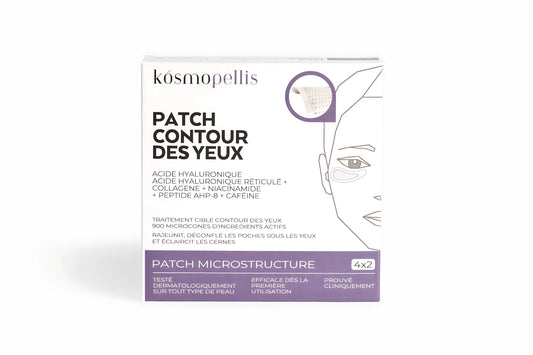
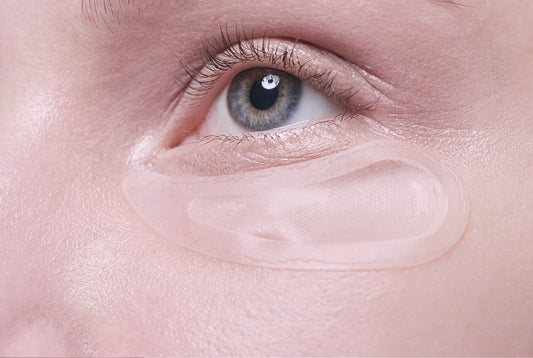
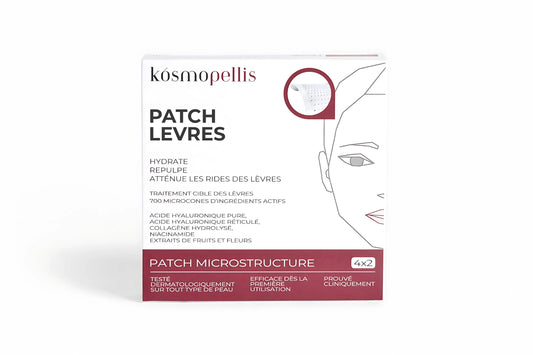
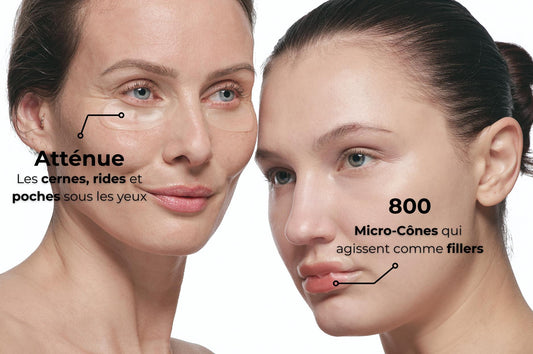
- Microstructure eye contour patch: This innovative product uses microstructure technology to directly deliver active ingredients to the epidermis. Kosmopellis patches are designed to specifically target dark circles and improve the overall appearance of the eye contour area.
Understanding the link between genetics and dark circles allows these treatments to be adapted to your specific needs, thus offering a personalized and effective approach.
2. Treatments for vascular dark circles
Vascular dark circles often result from poor blood circulation. To reduce their appearance, the use of products containing active ingredients is essential. Caffeine is particularly effective due to its anti-inflammatory properties and its ability to stimulate blood circulation.
- Caffeine-based products: help reduce puffiness and lighten the area under the eyes.
- Vitamin K: promotes blood clotting, helping to reduce the appearance of visible vessels.
Adapt these treatments according to your type of dark circles and individual genetic factors for optimal results.
3. Treatments for hollow dark circles
Hollow dark circles, often caused by volume loss due to aging or significant weight loss, can be treated with appropriate aesthetic options. One of the most effective solutions is dermal fillers, which restore lost volume under the eyes. These treatments must be carefully chosen based on the specific type of dark circles and individual genetic factors, thus ensuring optimal results. To personalize these interventions, it is essential to consult a qualified professional who can adequately assess your specific needs.

Conclusion: towards a holistic approach to preventing and treating dark circles
Adopting an integrative approach is essential for preventing dark circles. This involves considering both environmental and genetic factors. A targeted skincare routine can reduce the appearance of dark circles, while taking into account the specific characteristics of each type.
Practical tips for healthy eye contour:
- Daily hydration: use an appropriate moisturizer to maintain skin elasticity.
- Sun protection: apply sunscreen to prevent hyperpigmentation.
- Lifestyle hygiene: prioritize sufficient sleep, reduce stress, and adopt a balanced diet.
- Specific products: opt for skincare products containing active ingredients like caffeine or vitamin C.
These strategies, combined with a deep understanding of the role of genetics in dark circles, allow for a holistic approach to dark circle care, thus ensuring brighter and revitalized skin.